The Lifestyle Library
72 hours to change your life
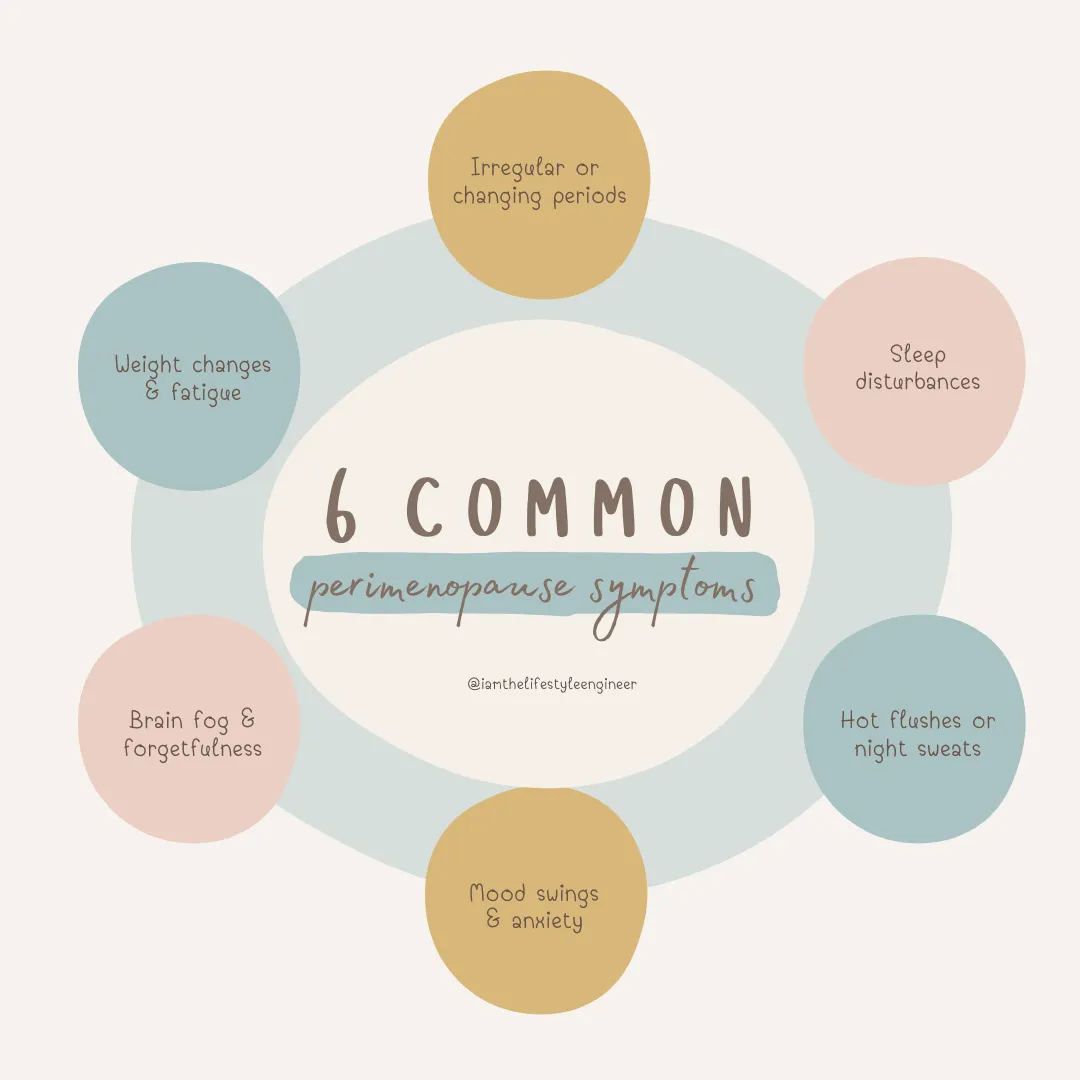
The Most Common Symptoms of Perimenopause

Reset Your Hormones (and Your Sanity) in 5 Simple Steps
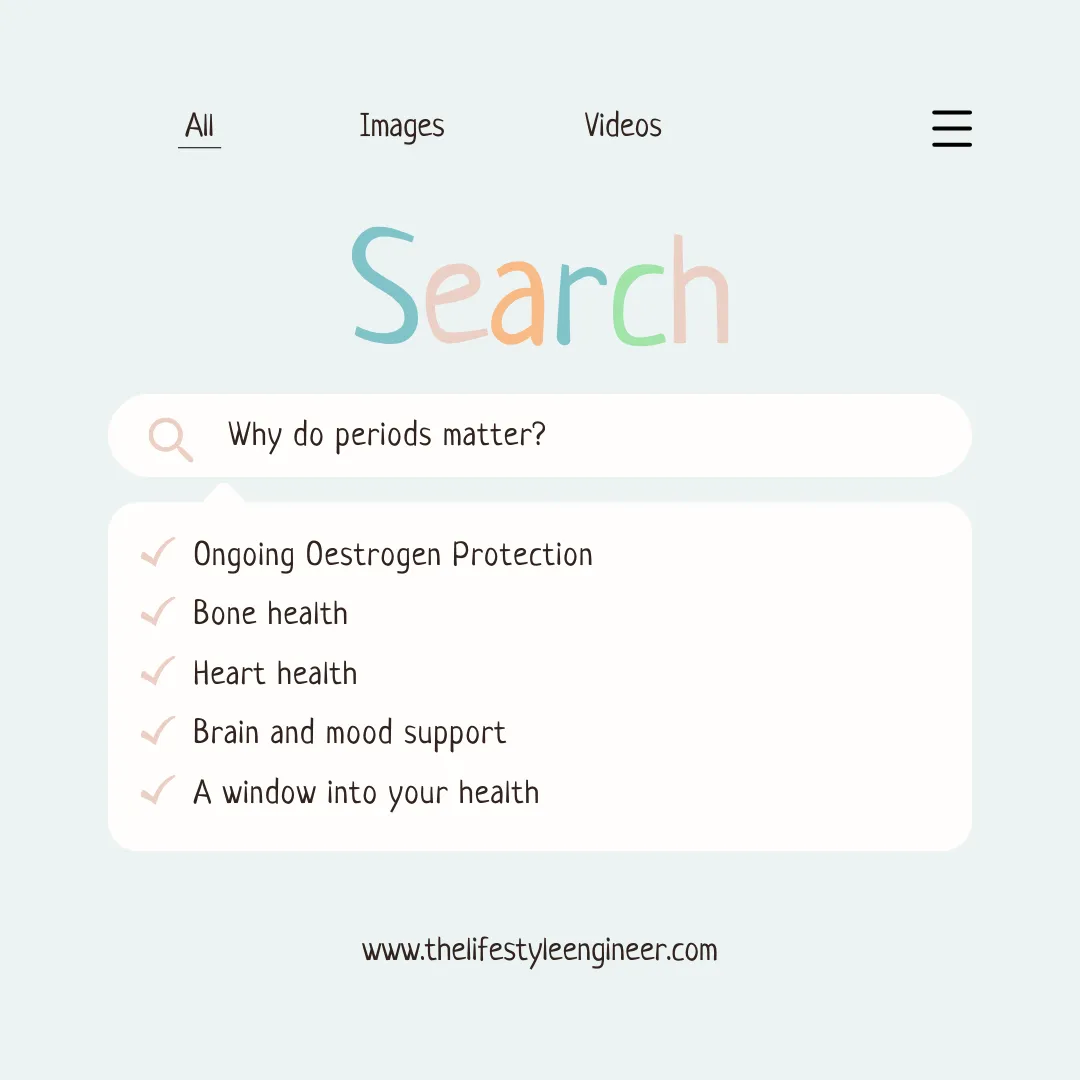
The Protective Role of Periods: How Periods Support Health

Why Perimenopause Heightens Feelings
such as Grief
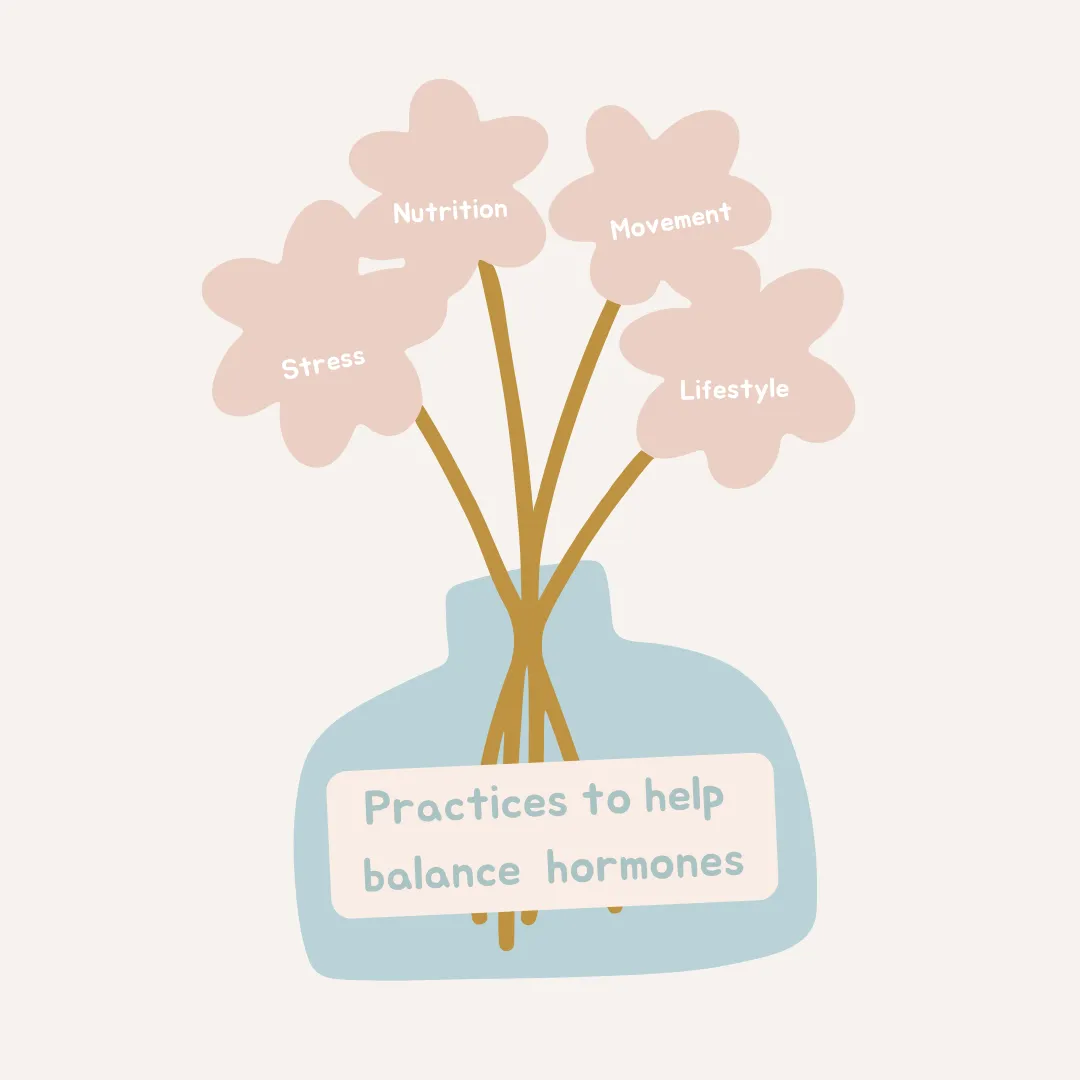
How to Influence the onset of Menopause
The Power of Food and Your Mood
The Willpower Myth: What You Really Need to Stay on Track
How to Thrive
Through Perimenopause
The Most Important Nutrients in Perimenopause
Reset Your Hormones (and Your Sanity) in 5 Simple Steps
You know that moment when you open the fridge, stare at the shelves, and think, I literally have no idea what to eat?
You used to know:
- Coffee used to give you energy.
- A walk used to clear your head.
- Dinner used to feel easy.
Now everything feels… off.
You’re tired but can’t sleep.
You crave sugar but then feel guilty when you eat something you consider to be ‘bad’.
Your jeans don’t fit the same (where did that belly come from?).
And no matter how many “hormone-friendly” recipes you save, the whole thing just feels too hard.
If this sounds familiar, there’s nothing wrong with you. You’re very likely in perimenopause.
And what you’re feeling isn’t just hormones going haywire — it’s your body whispering that it needs a reset.
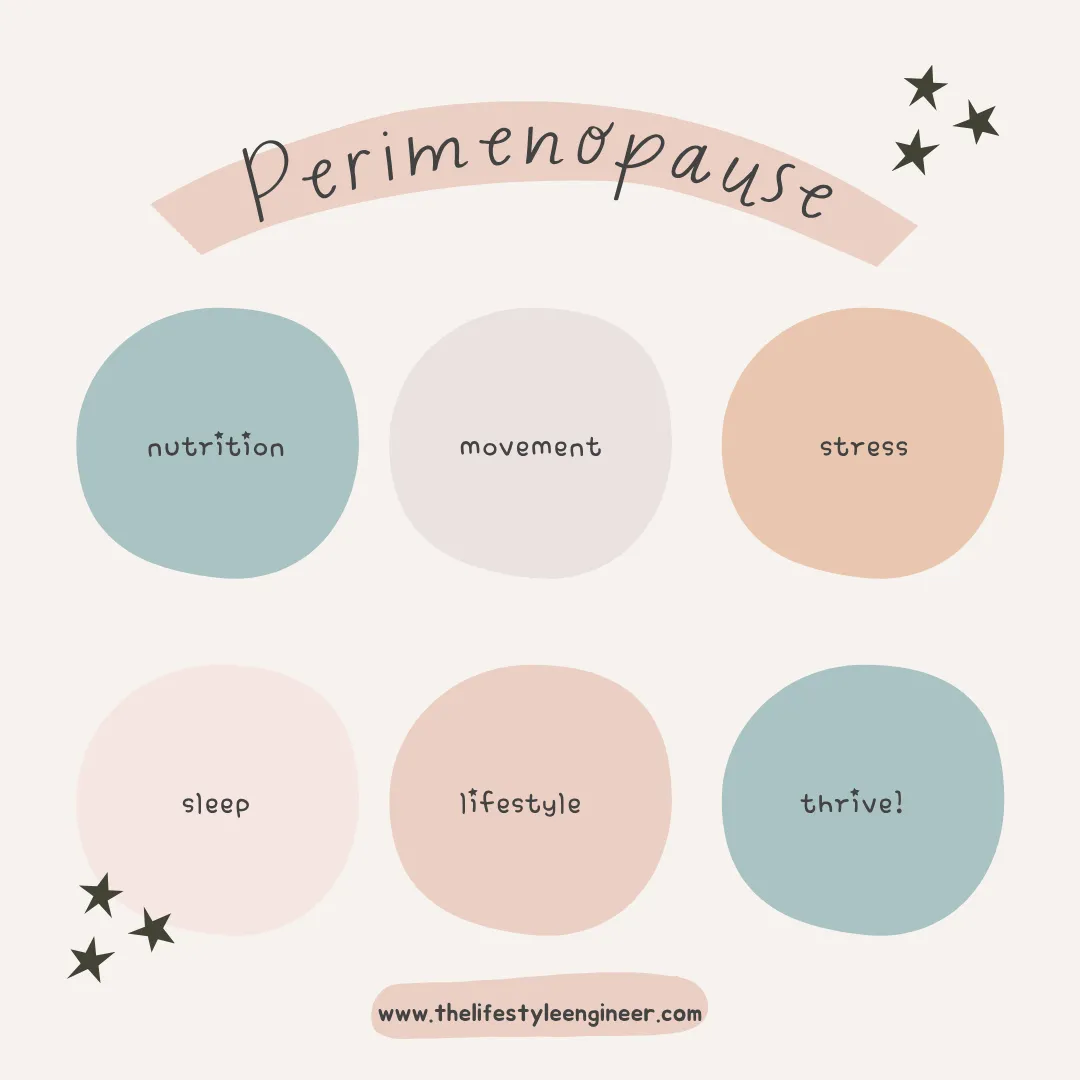
Here are 5 simple steps you can take to start to feel better today:
1. Symptom Check-In
Understanding your symptoms is a really important part of your perimenopause - you cannot change what you cannot see. When you track your symptoms you will start to see the links between lifestyle choices and symptoms. It might be that you notice when you drink alcohol in the evenings you find you have higher anxiety the following day or perhaps a high intensity workout in the evening leaves you exhausted the following day.
By tracking your symptoms, you can start to make small changes to support your hormones rather than work against them.
2. Nutrition Support
Women are not men and women in perimenopause are not 20 year old women either! The nutritional needs of our body need to be a priority. After the age of 35 we lose muscle quickly and once we hit perimenopause, that muscle lose accelerates. Protein is a really critical part of our diet and we need to ensure we are consuming around 30g per meal and aiming for at least 120g per day.
The type of protein we eat as well as the timing is critical and it is also really important that we get enough fibre. We need to eat at least 30g of fibre per day. This is found in lentils, beans, whole grains, fruit and vegetables. Fibre helps our body to detox, especially oestrogen by-products and helps our gut produce our feel good and motivational hormones of dopamine and serotonin.
3. Gentle Movement
The training we used to do in our 20s probably no longer serves you. Movement during perimenopause needs to have a high focus on weight training to build muscle for strength and flexibility, high intensity aerobic training to build stress resilience and support cardiovascular health, and flexibility and stress reduction movement such as yoga and pilates. Movement in the right way and at the right time, will help you to be strong, flexible, fit and have more energy throughout the day.
4. Stress Reduction
Managing cortisol (our stress hormone) becomes a priority in perimenopause because not only are we in a time in our lives when our stress is often high due to life and work pressures, but also the reduction in oestrogen and progesterone that occurs during perimenopause means that we have lost a lot of our natural buffers to cortisol. These hormones have protected us for years from the effects of cortisol and with their decline, we are more prone to the effects of cortisol.
High cortisol leads to weight gain (especially around the belly), brain fog, lethargy, fatigue, and poor immune response.
5. Sleep enhancement
Sleep is our natural repair mechanism. Poor sleep contributes to brain fog, low mood, lethargy, weight gain, poor immune health and a general lower quality of life. Modern life is unfriendly to sleep and when we make changes to our nutrition, movement, stress and lifestyle habits, we can see a dramatic impact on the quality of our sleep.
Here’s the truth:
Perimenopause isn’t the end of ever feeling physically and mentally good - It’s the moment your body asks for a new kind of support.
I'll put together a quick reset with these five steps - it's a free reset that I've called From Frazzled to Fabulous. You deserve to feel and be fabulous!
This free 5 step reset is designed to help you:
Understand what your hormones are really doing (and why it’s not your fault)
Learn the simple daily habits that bring balance back — without diets or overwhelm
Feel calmer, more energised, and a little more you again
5 small and simple shifts - something doable, something that works with your body instead of against it.
By the end of the week, you’ll feel like someone turned the light back on inside you.
Because you don’t need a complicated plan — you just need a plan that makes sense for where you are right now.
✨ Checkout From Frazzled to Fabulous and start feeling like yourself again — one gentle step at a time.
👉 Download Here