The Lifestyle Library
72 hours to change your life
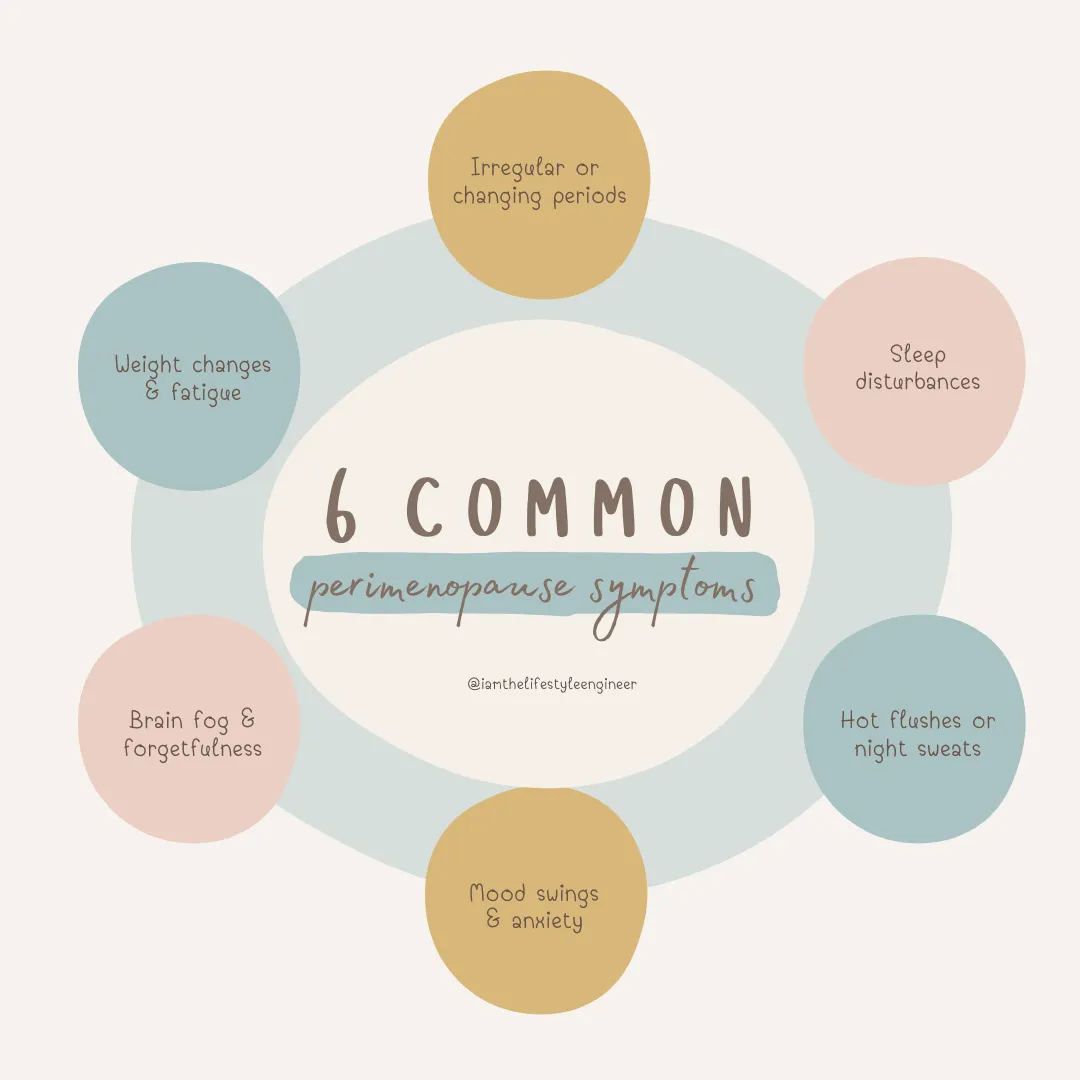
The Most Common Symptoms of Perimenopause

Reset Your Hormones (and Your Sanity) in 5 Simple Steps
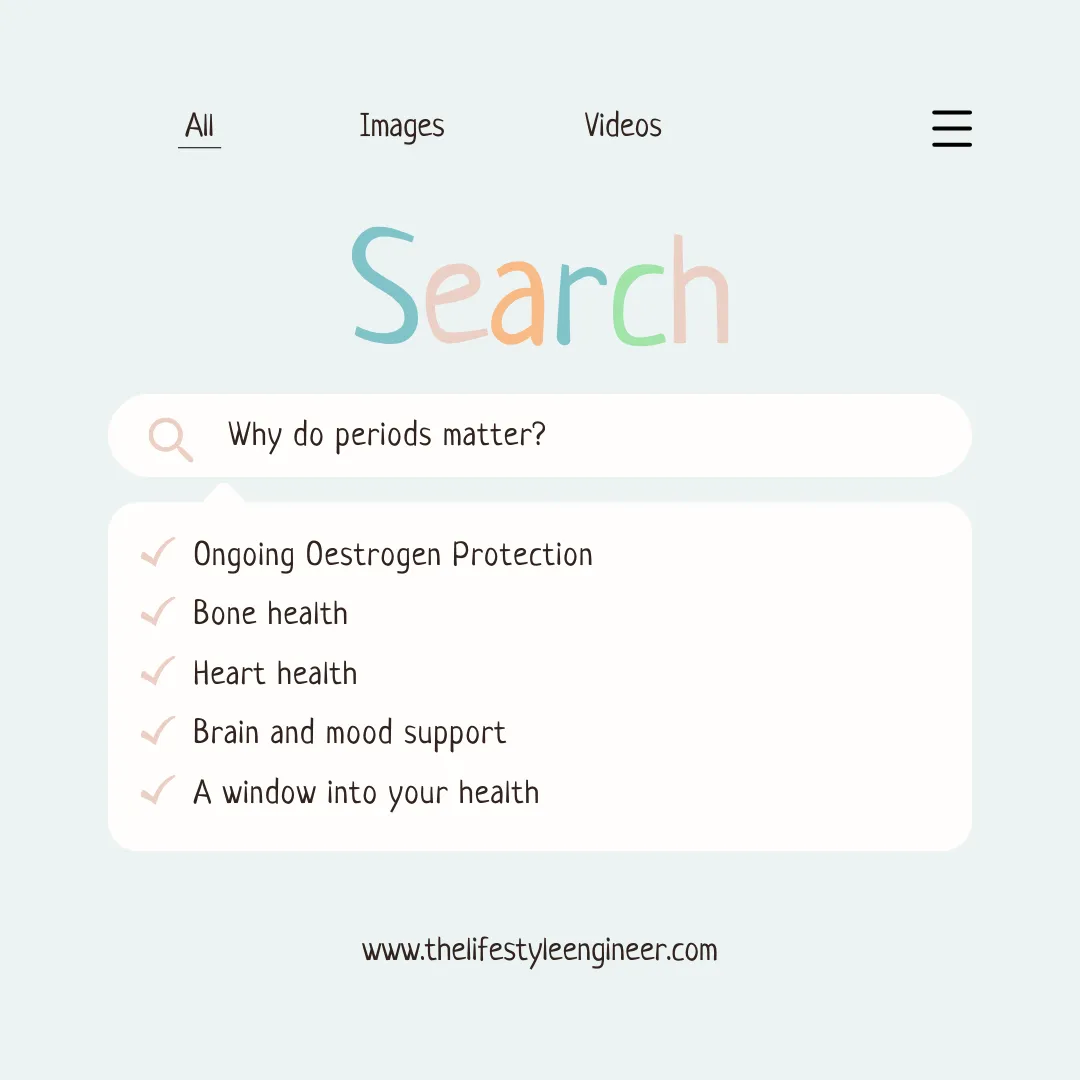
The Protective Role of Periods: How Periods Support Health

Why Perimenopause Heightens Feelings
such as Grief
How to Influence the onset of Menopause
The Power of Food and Your Mood
The Willpower Myth: What You Really Need to Stay on Track
How to Thrive
Through Perimenopause
The Most Important Nutrients in Perimenopause
How to Influence the onset of Menopause
Can you do anything to influence when you go through menopause?
The answer is both yes… and no.
The Role of Genetics
The biggest factor in when you’ll reach menopause is your DNA. If your mum, aunties, or older sisters experienced menopause early (say, mid-40s), you may be more likely to follow a similar timeline. If they kept cycling into their 50s, the same might be true for you.
Your family history can provide some helpful clues. But the science of nutrigenomics shows us how we can use nutrition and lifestyle to influence our genes.
What You Can Influence
Your hormones will naturally decline as you age. The way you live can make a real difference in the timing, speed and impact of that decline on your health. Think of it as giving your body the best possible conditions to do what it’s designed to do.
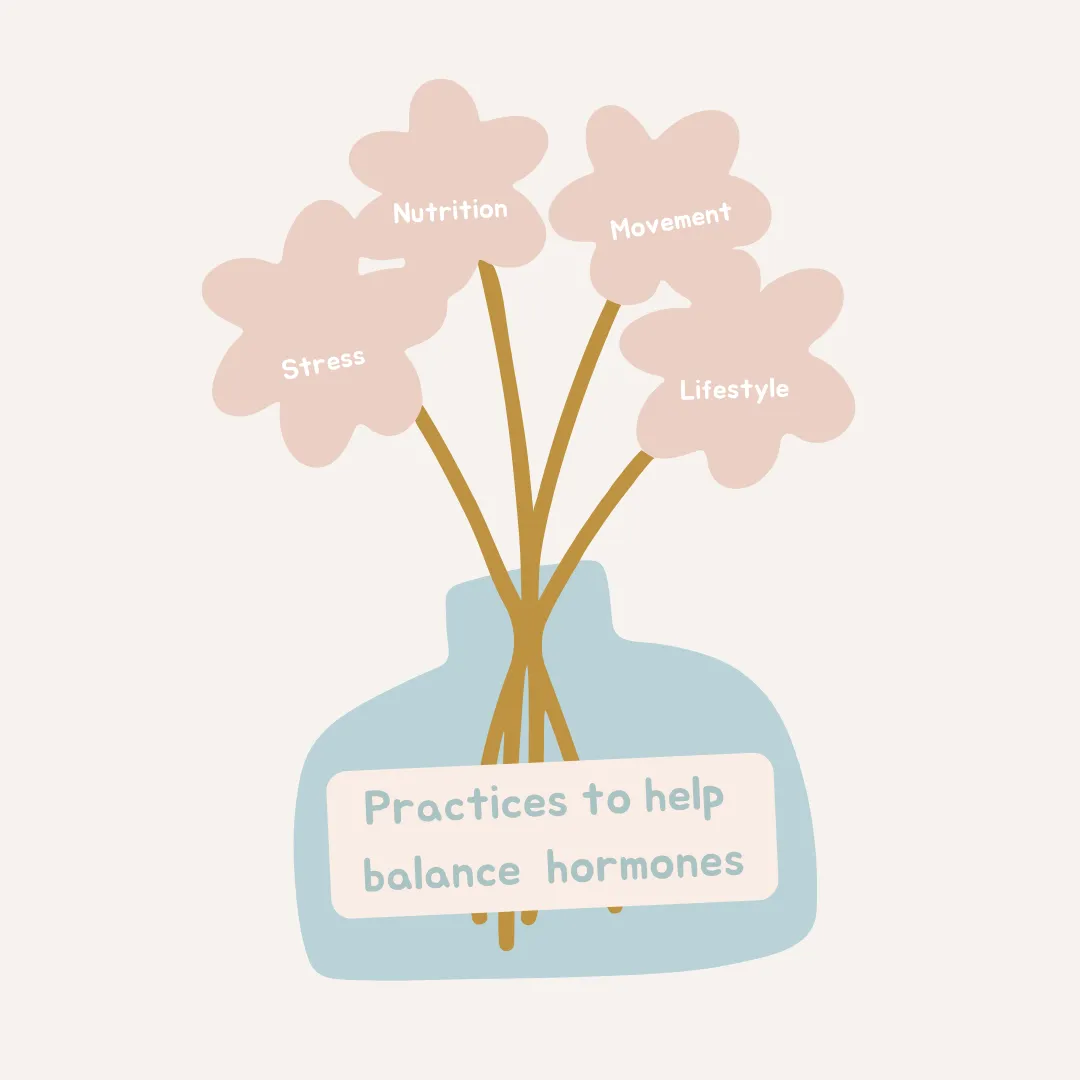
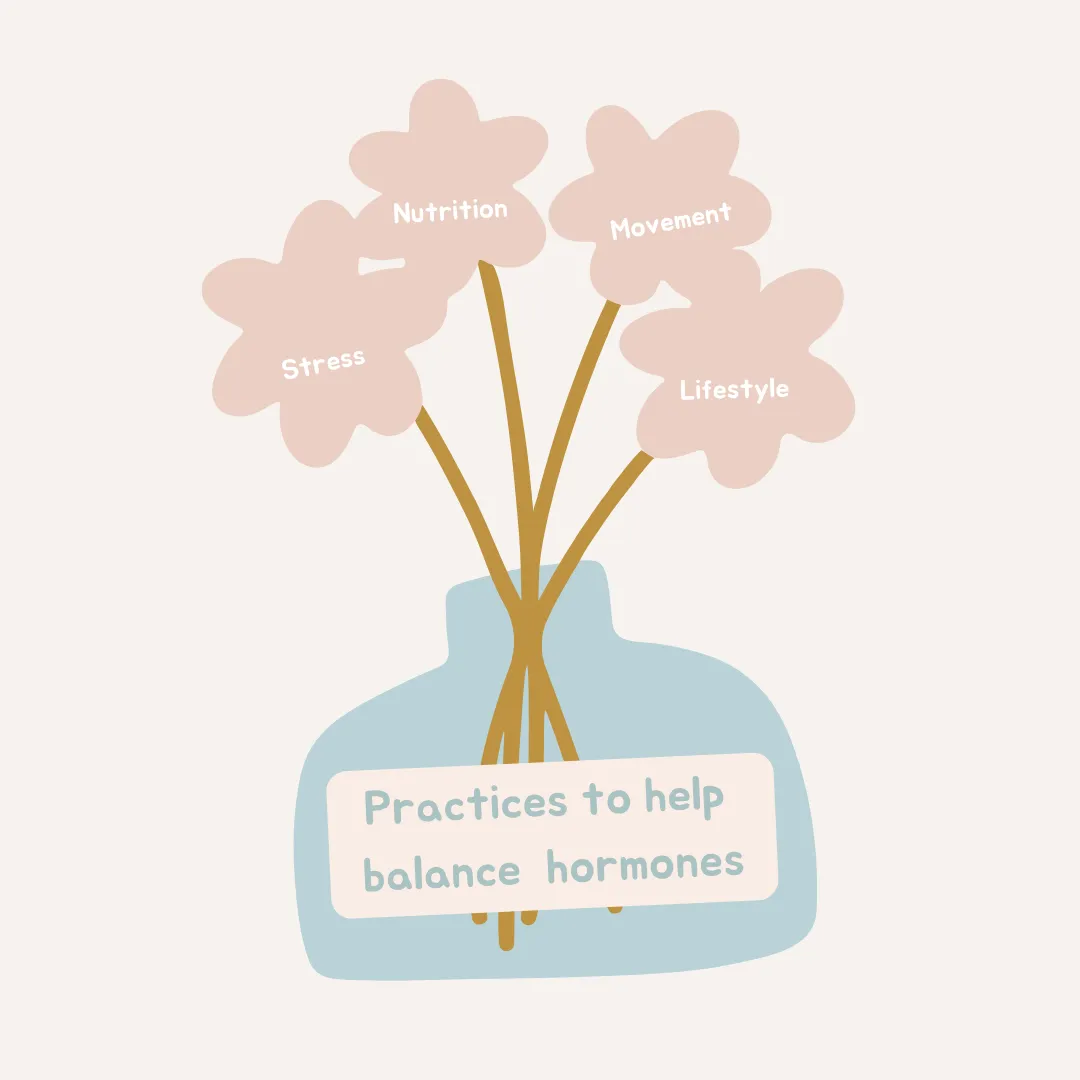
Here are a few areas where lifestyle really matters:
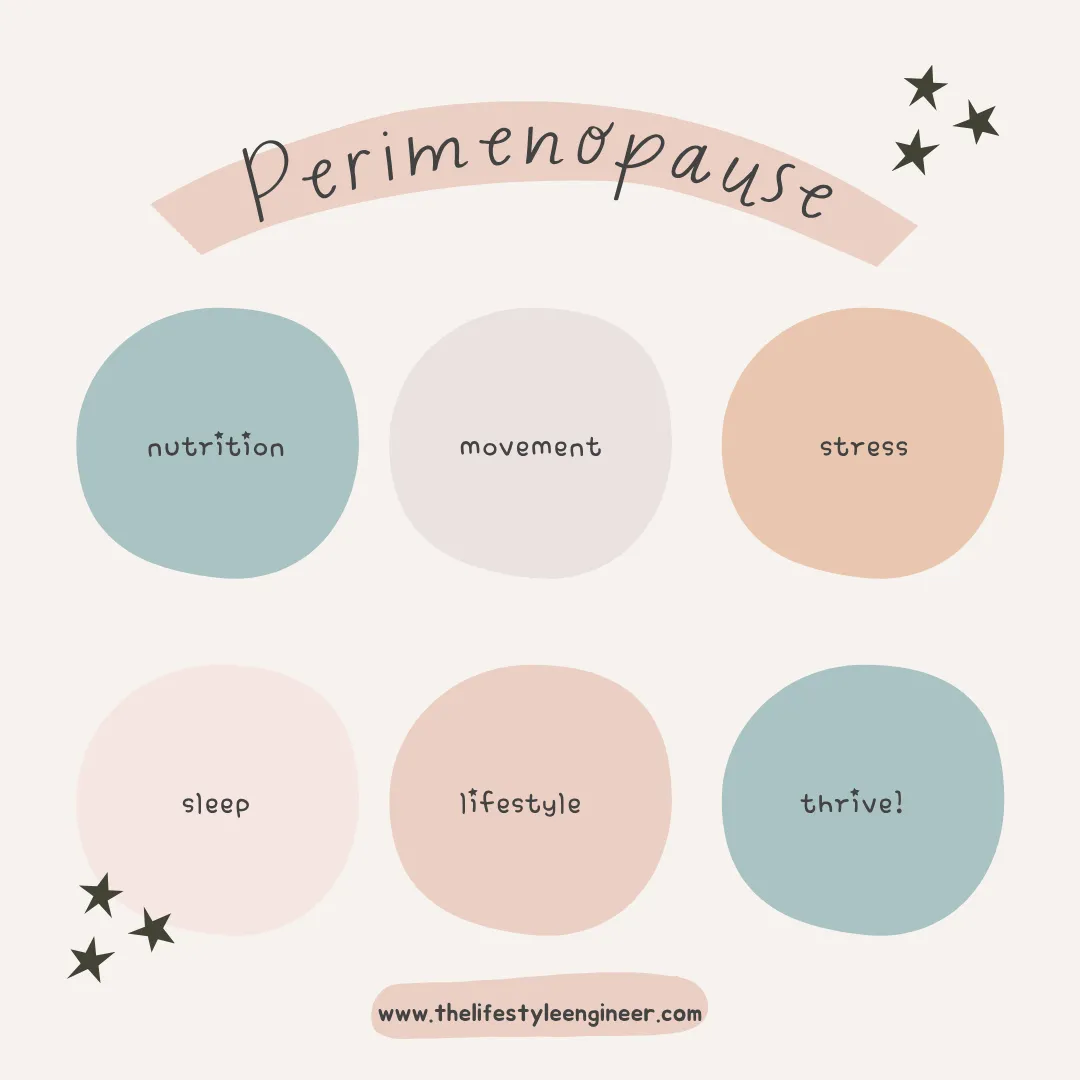
Stress: lifestyle stress raises your stress hormone, cortisol. This disrupts the balance of your sex hormones and sometimes speeds up cycle changes. Gentle practices like walking, journaling, taking a sauna, or even just taking five quiet minutes with a cup of tea can help keep stress hormones in check.
Nutrition: your body needs raw materials to make and metabolise hormones. That means protein, healthy fats, complex carbohydrates, and fibre all help support balance. Micronutrients, especially magnesium, iron, zinc, and B vitamins, also play a role.
Movement: regular exercise helps regulate blood sugar, support heart health, and maintain bone density. It doesn’t have to be boot camp hard. Good choices include strength training, yoga, walking, and swimming.
Lifestyle choices: smoking and heavy alcohol use are both linked to earlier menopause. Steering clear or limiting these helps support your body’s natural timeline.
The Takeaway
You can’t outsmart your biology—but you can work with it. Managing your hormones through everyday choices isn’t about delaying menopause forever, but about making sure that when the transition happens, your body has the feel supported, steady, and strong.
What’s one small change you could make this week that would help support your hormones?
If you are looking for support, download my free e-book 'Frazzled to Fabulous' for 5 simple actions to support healthy hormones.