

Supporting women through the physical and emotional experience of perimenopause.
“You are not broken. You are mighty beyond measure. Let’s get your hormones back on your side, so you can emerge from this transition as your most magnificent self!”.
Hi, I'm Louise
I’m a women’s health coach dedicated to helping midlife women feel energised, balanced, and confident again. After experiencing my own struggles with perimenopause, I realised how many women were being told to just “push through” their exhaustion and mood swings. That’s when I decided to create a more compassionate, science-backed approach to support women through this transition.
Through my signature programme, The Peri Protocol, and my workshops, I help women understand what’s really happening in their bodies, manage stress effectively, and make simple lifestyle shifts that restore energy and calm. My mission is to help you feel like yourself again — vibrant, clear, and in control.

YOU DESERVE TO THRIVE DARLING
FREE
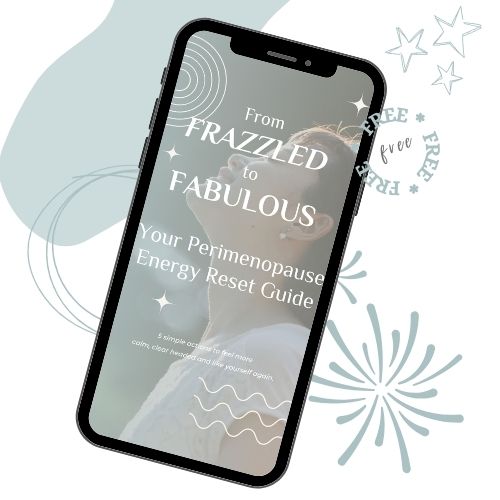
From Frazzled to Fabulous
Your perimenopause energy reset guide. In this guide you'll find 5 daily habits to unlock abundant energy. Nutrition, movement, stress reduction and sleep are all important pieces of the energy puzzle. Ditch the brain fog, energy crashes, mood swings, anxiety, insomnia and much more. It's time to feel fabulous!
ARE YOU READY FOR MORE?
Read the blog
Your weekly dose of information, inspiration and practical know-how to transform your life. Nothing is off limits here - nutrition, movement, stress, sleep, intimacy, connection, boundaries. We talk symptoms, science and how you can manage your perimenopause symptoms.
View my services
I am passionate about the role nutrition plays in our physical and mental health and wellbeing. Check out the ways we can work together to help you get back on track and live with more ease.
Connect with me on socials
Where do you like to hang out online? Come and follow me on your favourite platform for inspiration, information and entertainment.
NEW ON THE BLOG...
Ready to build the life of your dreams?
Let's chat
Ready to work with a coach to uplevel your life and business?
Listen to the
Podcast
view my
services
read the
BLOG
Let's chat
Ready to work with a coach to uplevel your life and business?

Let's learn
Learn at your own pace and make quantum leaps.
Student Love Notes
We've helped so many incredible students to find success as Virtual Assistants...

The VA Business Blueprint helped me to go from feeling completely stuck to starting my business and getting my first client!
Ellen, business name

I enrolled in the VA Services Academy feeling completely lost - within 2 weeks I knew exactly what to offer & what to charge.
Ellen, business name

Beginner to Booked Out was a game-changer for me. Anna and her team are incredible and I'm booked out for the next 3 months!
Ellen, business name
Thinking About Not Taking HRT? Read This.
The 10 most common perimenopause symptoms (and what actually helps)

7 Signs You Might Be Ready To Consider HRT During Perimenopause
New on the blog...

The 10 Most Common Perimenopause Symptoms (And What Actually Helps)
The most common perimenopause symptoms include hot flushes, fatigue, sleep disruption, mood changes, and weight gain
These symptoms are driven by fluctuating oestrogen and progesterone levels
Nutrition, strength training, stress management, and sleep support can significantly reduce symptoms
Small, consistent daily habits have the biggest impact
What are the most common perimenopause symptoms?
The most common perimenopause symptoms include:
Hot flushes and night sweats
Irregular periods
Fatigue
Brain fog and memory lapses
Mood changes
Sleep disruption
Weight gain (especially around the midsection)
Vaginal dryness and reduced libido
Hair, skin, and nail changes
Increased emotional sensitivity
Perimenopause can feel like your body is suddenly working against you. Mood swings, sleep disruption, fatigue, and weight changes may leave you feeling overwhelmed, frustrated, and confused. Let’s talk about the 10 most common perimenopause symptoms and how you can take control of your health, energy, and mood.
1. Hot Flushes and Night Sweats
Hot flushes or night sweats are common, uncomfortable, can be embarrassing and can disrupt sleep. A hot flush is a sudden feeling of heat, often accompanied by sweating, flushing, or heart palpitations. They occur because the fluctuation in oestrogen affects your body’s temperature regulation mechanism.
What helps:
Dressing in layers to allow for easy ways to cool quickly as a practical measure
Keeping your bedroom cool to reduce overheating
Avoid triggers which for many women include alcohol, caffeine and spicy foods
Hot flushes can also be triggered by anxiety so behaviours such as mindful breathing can help reduce the frequency and lessen the intensity of a hot flush
2. Irregular Periods
During perimenopause your menstrual cycle may become shorter, longer, heavier, or lighter. All of these are normal! Fluctuations in oestrogen and progesterone stop the ovulation cycle. Without ovulation, the hormonal pathway to getting our period is also stopped. Periods are irregular however because these hormones are fluctuating - sometimes they produce the right amounts for ovulation to occur and sometimes they don’t.
What helps:
Track your cycle to identify patterns so you can see how your hormones are shifting
Eat plenty of protein to support hormone production, healthy fats to assist with hormone synthesis, and phytoestrogens to gently support oestrogen levels
Manage stress and prioritise sleep to help protect hormone balance
If your periods are irregular in a way that is severe and disrupts your daily life, speak to your doctor. This might include flooding, pain that disrupts your daily life, or any other irregularity that concerns you.
3. Fatigue
Feeling exhausted is common in perimenopause, even if your sleep quality and quantity is adequate. Exhaustion has many causes during this time and it is important to practice self care. Exhaustion may be due to hormone fluctuations, stress, sleep disruption, and nutrient imbalances.
What helps:
Prioritise protein at every meal and enjoy balanced meals that include complex carbohydrates, protein and healthy fats
Focus on restorative sleep which includes going to be earlier and winding down before bed time
Include gentle movement and stress-management practices in your daily routine
4. Brain Fog and Memory Lapses
Trouble focusing, forgetfulness, or difficulty concentrating are all common during perimenopause. It happens because Oestrogen plays a key role in brain function, including memory and cognition. The decline of this hormone during perimenopause can cause brain fog and memory lapses.
What helps:
Break tasks into smaller steps and use notes to keep you on track
Maintain a routine which enables you to operate out of habit and structure
Include nutrient rich foods such as omega 3 fatty acids
Ensure you are eating adequate protein (especially at breakfast)
5. Mood Changes
Irritability, anxiety, low mood, or emotional sensitivity are all common but they don’t need to be a part of your experience. Our neurotransmitters that regulate mood are impacted by the hormonal shifts that occur during perimenopause.
What helps:
Mindfulness, meditation, and breathing exercises help to keep mood stable
Talk therapy can help if feelings become overwhelming
Regular exercise boosts endorphins and stabilises mood
Strength training (lifting weights) can dramatically impact your mood
6. Sleep Disruption
Difficulty falling asleep, staying asleep, or waking up unrefreshed are reported as some of the most common and frustrating symptoms of perimenopause. It can sometimes seem that the harder you try to fall asleep, the worse it becomes. It occurs because night sweats, cortisol imbalances, and low progesterone interfere with our ability to relax and fall into deep sleep.
What helps:
Establish a calming bedtime routine
Keep your sleep environment cool and dark
Avoid late-night caffeine and sugar
Ensure you eat enough protein in your dinner meal to keep you full overnight
Use supportive practices such as meditation and yoga nidra to calm the mind
7. Weight Gain, Especially Around the Midsection
Unexplained weight gain, particularly belly fat, occurs during perimenopause due to a decline in oestrogen and an increase in cortisol, which encourages the storage of fat around the abdomen. Muscle loss and metabolic changes also both contribute to how fat is stored as we age.
What helps:
Resistance training to maintain muscle
Balanced meals with high protein and fibre and minimise naked carbs
Reduce sugar and processed foods
Manage stress and sleep, both of which affect hormones
Exercise in the ‘weight loss’ heart rate range to help lose weight if this is your goal
8. Vaginal Dryness and Changes in Libido
Vaginal dryness, discomfort, and reduced sexual desire occur because declining oestrogen affects vaginal tissue, lubrication, and blood flow to the region. This can cause tension in a relationship so letting your partner know this is normal helps to remove the feelings of rejection that may occur.
What helps:
Water-based lubricants
Regular sexual activity and pelvic floor exercises
Discuss options like topical oestrogen with your healthcare provider
Talk to your partner and rekindle intimacy in ways that feel good rather than relying on sexual desire to maintain a physical relationship
9. Hair, Skin, and Nail Changes
Physical changes such as thinning hair, dry skin, brittle nails, or slower nail growth can impact the way we see ourselves during perimenopause. Hormonal changes impact collagen production and hair follicle growth and stress can also cause hair loss.
What helps:
Collagen-rich foods or supplements
Drink plenty of water as hydration and a gentle skincare routine both affect skin appearance
Nutrients like zinc, vitamin C, and biotin help to support these changes
10. Hot Emotional Reactions or Feeling Overwhelmed
Feeling unusually emotional, reactive, or “on edge” is very common and this is a time for extreme self-care. Hormonal fluctuations, stress, and the mental load that women often carry during this time in our lives can amplify emotions.
It is normal to feel this way but it doesn’t have to be your experience.
What helps:
Prioritise self-care and stress management (think an early bedtime, time out to read a book or go for a walk with a friend, having a massage or a bubble bath)
Set boundaries with work and family demands (assign tasks to others if you can)
Connect with supportive friends or groups
Key Takeaways: You’re Not Imagining It
Perimenopause affects nearly every system in your body. Understanding the why behind your symptoms is the first step in regaining control. While perimenopause can be challenging, there are practical, everyday strategies — from nutrition and exercise to stress management and sleep support — that can help you feel like yourself again.
Frequently Asked Questions About Perimenopause Symptoms
How long do perimenopause symptoms last?
Perimenopause symptoms can last anywhere from a few months to several years, depending on hormonal changes and lifestyle factors.
What is the worst symptom of perimenopause?
The most disruptive symptoms are often fatigue, sleep disturbances, and mood changes, as they affect daily functioning.
Can diet really help perimenopause symptoms?
Yes. A diet rich in protein, healthy fats, fibre, and key nutrients can support hormone balance and reduce symptoms.
When should I see a doctor about perimenopause symptoms?
You should seek medical advice if symptoms are severe, unusual, or impacting your quality of life.
Want Step-by-Step Support?
As a nutritionist specialising in perimenopause, I created The Peri Protocol. If you’re ready to take control of your energy, mood, and hormones the Peri Protocol is a complete framework designed to help women thrive during perimenopause.