
Supporting women through the physical and emotional experience of perimenopause.
“You are not broken. You are mighty beyond measure. Let’s get your hormones back on your side, so you can emerge from this transition as your most magnificent self!”.
Hi, I'm Louise
I’m a women’s health coach dedicated to helping midlife women feel energised, balanced, and confident again. After experiencing my own struggles with perimenopause, I realised how many women were being told to just “push through” their exhaustion and mood swings. That’s when I decided to create a more compassionate, science-backed approach to support women through this transition.
Through my signature programme, The Peri Protocol, and my workshops, I help women understand what’s really happening in their bodies, manage stress effectively, and make simple lifestyle shifts that restore energy and calm. My mission is to help you feel like yourself again — vibrant, clear, and in control.

YOU DESERVE TO THRIVE DARLING
FREE
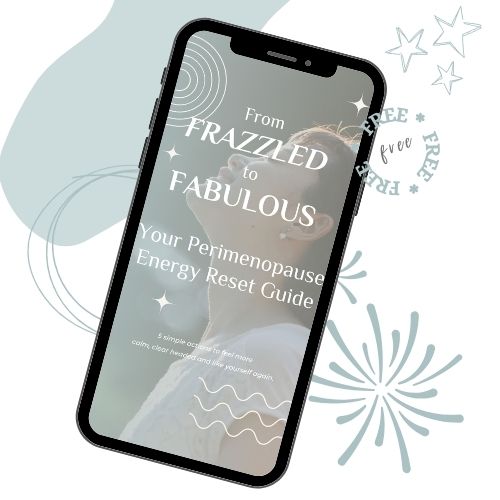
From Frazzled to Fabulous
Your perimenopause energy reset guide. In this guide you'll find 5 daily habits to unlock abundant energy. Nutrition, movement, stress reduction and sleep are all important pieces of the energy puzzle. Ditch the brain fog, energy crashes, mood swings, anxiety, insomnia and much more. It's time to feel fabulous!
ARE YOU READY FOR MORE?

Read the blog
Your weekly dose of information, inspiration and practical know-how to transform your life. Nothing is off limits here - nutrition, movement, stress, sleep, intimacy, connection, boundaries. We talk symptoms, science and how you can manage your perimenopause symptoms.
View my services
I am passionate about the role nutrition plays in our physical and mental health and wellbeing. Check out the ways we can work together to help you get back on track and live with more ease.


Connect with me on socials
Where do you like to hang out online? Come and follow me on your favourite platform for inspiration, information and entertainment.
NEW ON THE BLOG...
Ready to build the life of your dreams?

Let's chat
Ready to work with a coach to uplevel your life and business?
Listen to the
Podcast
view my
services
read the
BLOG
Let's chat
Ready to work with a coach to uplevel your life and business?


Let's learn
Learn at your own pace and make quantum leaps.
Student Love Notes
We've helped so many incredible students to find success as Virtual Assistants...

The VA Business Blueprint helped me to go from feeling completely stuck to starting my business and getting my first client!
Ellen, business name

I enrolled in the VA Services Academy feeling completely lost - within 2 weeks I knew exactly what to offer & what to charge.
Ellen, business name

Beginner to Booked Out was a game-changer for me. Anna and her team are incredible and I'm booked out for the next 3 months!
Ellen, business name

The 10 most common perimenopause symptoms (and what actually helps)

7 Signs You Might Be Ready To Consider HRT During Perimenopause
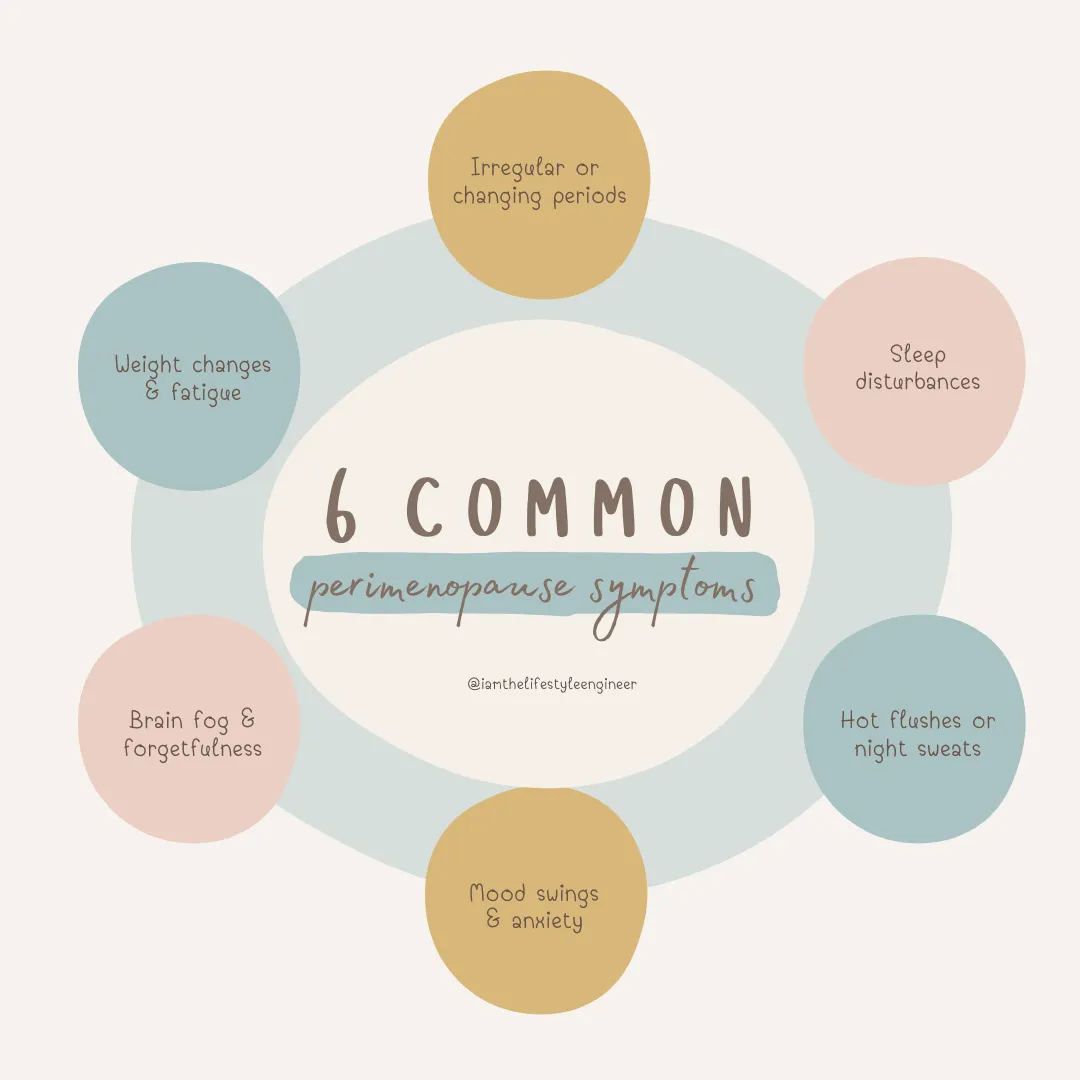
The First 7 Signs of Perimenopause Most Women Miss
New on the blog...
7 Ways HRT Alone Won’t Fix Perimenopause Symptoms (And What Actually Helps)
The “Magic Pill” Myth
Hormone therapy can be incredibly helpful for some symptoms of perimenopause. But one of the biggest misconceptions women have is that HRT (more commonly called MHT - Menopause Hormone Therapy) will fix everything. The reality is that hormones are only one part of the picture. To experience true health, we need to ensure we are looking at the bigger picture. Your body is going through a whole-system transition that involves metabolism, sleep, stress, brain chemistry and muscle health.
Here are some of the ways that MHT / HRT needs additional support to help during perimenopause.
1. It Doesn’t Fix Poor Sleep Habits
MHT may help if you are experiencing night sweats, however if you have poor sleep habits, it won’t impact the quality of your sleep. If you routinely have late nights, screen exposure close to bedtime, have stress-driven insomnia, or have an inconsistent sleep routine, you’ll need to address those challenges through lifestyle. Sleep hygiene still matters enormously to the quantity and quality of sleep you are getting..
2. It Doesn’t Replace Good Nutrition
Hormone therapy can be amazing but it doesn’t balance out your blood sugar, increase your protein intake, help resolve nutrient deficiencies, or improve your gut health. Your body still needs the right fuel to stabilise energy and hormones.Gut health becomes even more critical during perimenopause as many of our neurotransmitters are built in the gut. During perimenopause our need for protein and fibre both increase as we maintain and build muscle strength, clear toxins, and improve our microbiome (the bacteria that live in our gut).
3. It Doesn’t Build Muscle
One of the biggest midlife shifts is muscle loss and this is perhaps one of the key pieces to health as we age. Muscle is essential for our metabolism, insulin sensitivity, strength, and longevity. MHT cannot replace resistance training to build strength..Strength is critical to avoid fractures and bone breaks and maintain independence and functionality as we age.
4. It Doesn’t Remove Stress From Your Life
Perimenopause often collides with peak life pressure. Women may be juggling teenagers, ageing parents, careers, and relationship strain. Hormones can't fix chronic stress overload when your nervous system needs genuine support. Cortisol is our primary stress hormone and is useful to warn and protect us against danger, to get us up and moving in the mornings, and to motivate us to be productive. When we are chronically stressed however, our levels of cortisol rise which impacts our immune system, our mental health, and our metabolism (hello belly weight gain). Oestrogen buffers the effects of stress and when it declines, Cortisol is left to run unchecked. Managing stress should be a part of a perimenopause symptom plan.
5. It Doesn’t Automatically Fix Weight Gain
Midlife weight changes are influenced by muscle loss, insulin resistance, sleep disruption, and our stress hormones. Hormone therapy may help some women with weight gain but it’s not a weight solution. Many people will tell you that you can’t lose weight during perimenopause but this isn’t true. Yes it is much harder but there are definitely ways to drop unwanted kilos with the right approach that includes nutrition and movement tailored to your perimenopausal body.
6. It Doesn’t Heal Your Relationship With Your Body
Perimenopause often brings identity changes. Many women feel invisible, disconnected, and frustrated with their bodies. Hormones cannot replace self-compassion and emotional support which are a fundamental part of this time in life. Imagine not supporting our teenage women going through puberty, menopause is the same level of change, and needs the same level of support.
7. It Doesn’t Teach You How to Support Your Body Long Term
Our bodies are changing as we age and this is the perfect time to ensure we create physical strength, great gut health for a strong immune system and mental health, and a positive mental transition out of deep parenting and blossoming into our middle years. If MHT is part of your perimenopause plan, it works best when combined with nourishing food, movement, stress regulation, sleep restoration, and emotional support. Perimenopause is a whole-body transition, not just a hormone issue.
What Actually Helps
HRT can be an incredibly valuable tool. But the women who thrive through perimenopause are the ones who combine medical support with lifestyle support. When you work with your body during this transition, everything starts to feel more manageable.
That’s exactly what I help women do inside Thrive: The Peri Protocol — giving you practical strategies for nutrition, energy, sleep, movement and emotional resilience during this stage of life.