
Empowering women to thrive during perimenopause.
“You are not broken. You are mighty beyond measure. Let’s get your hormones back on your side, so you can emerge from this transition as your most magnificent self!”.
Hi, I'm Louise. I'm a health, wellness & lifestyle coach.
I know what it's like to quietly fall apart inside while trying to hold it together. I see you, wanting to feel like yourself again but worrying this is it now. That was me.
I reached burnout before I started listening to my body. I turned my exhaustion around with targeted nutrition, movement, sleep, and stress management. It changed everything and I'm here to help you step into your most powerful and authentic self.
YOU DESERVE TO THRIVE DARLING

Grab Your FREE copy
The Peri Brekkie Blueprint.
In perimenopause, breakfast is the most important meal of the day:
a simple, nutritious breakfast that contains protein, fibre, and omega 3 fatty acids for a nutritious start
4 recipe variations so you never get bored
the fuel you need to keep brain fog away
help reduce inflammation with omega 3 fatty acids
reduce stress and start the day with peace and ease
Thrive darling.

Read the blog
Your weekly dose of information, inspiration and practical know-how to transform your life. Nothing is off limits here - nutrition, movement, stress, sleep, intimacy, connection, boundaries. We talk symptoms, science and how you can manage your perimenopause symptoms.
View my services
I am passionate about the role nutrition plays in our physical and mental health and wellbeing. Check out the ways we can work together to help you get back on track and live with more ease.


Connect with me on socials
Where do you like to hang out online? Come and follow me on your favourite platform for inspiration, information and entertainment.
ARE YOU READY FOR MORE?
Ready to build the life of your dreams?
Let's chat
Ready to work with a coach to uplevel your life and business?
Listen to the
Podcast
view my
services
read the
BLOG
Let's chat
Ready to work with a coach to uplevel your life and business?


Let's learn
Learn at your own pace and make quantum leaps.
Student Love Notes
We've helped so many incredible students to find success as Virtual Assistants...

The VA Business Blueprint helped me to go from feeling completely stuck to starting my business and getting my first client!
Ellen, business name

I enrolled in the VA Services Academy feeling completely lost - within 2 weeks I knew exactly what to offer & what to charge.
Ellen, business name

Beginner to Booked Out was a game-changer for me. Anna and her team are incredible and I'm booked out for the next 3 months!
Ellen, business name
New on the blog...
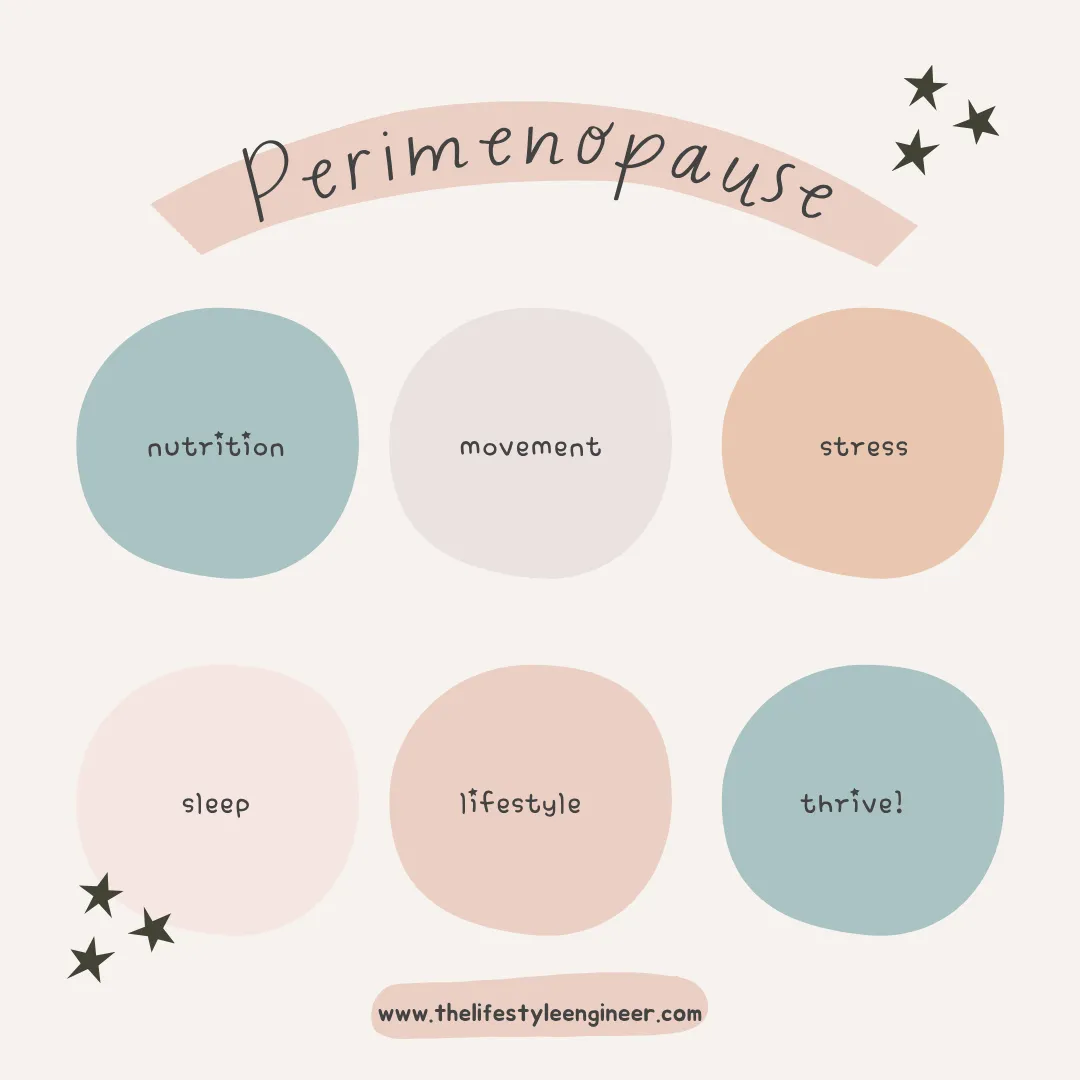
How to Thrive Through Perimenopause

72 hours to change your life

Reset Your Hormones (and Your Sanity) in 5 Easy Ways
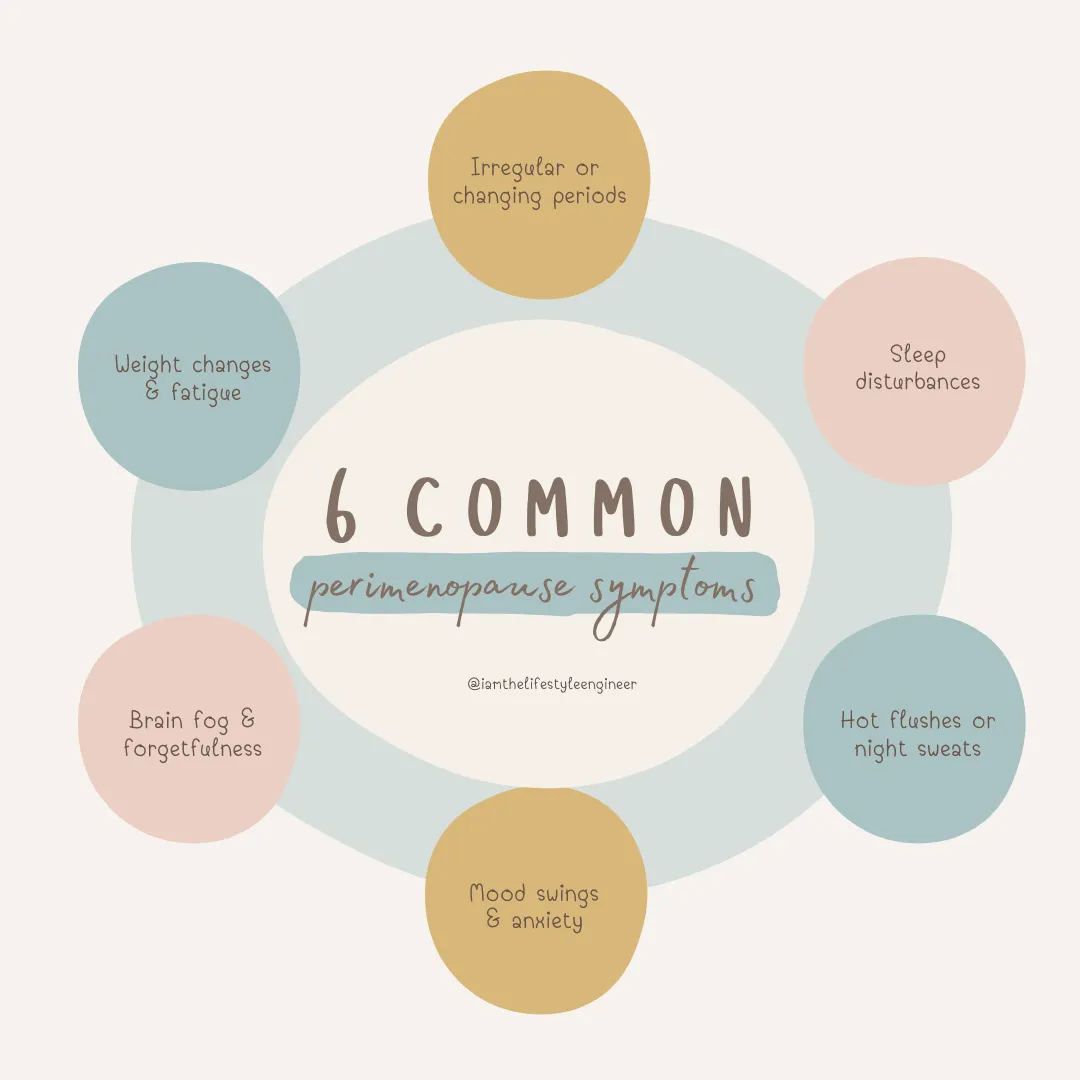
The Most Common Symptoms of Perimenopause
New on the blog...
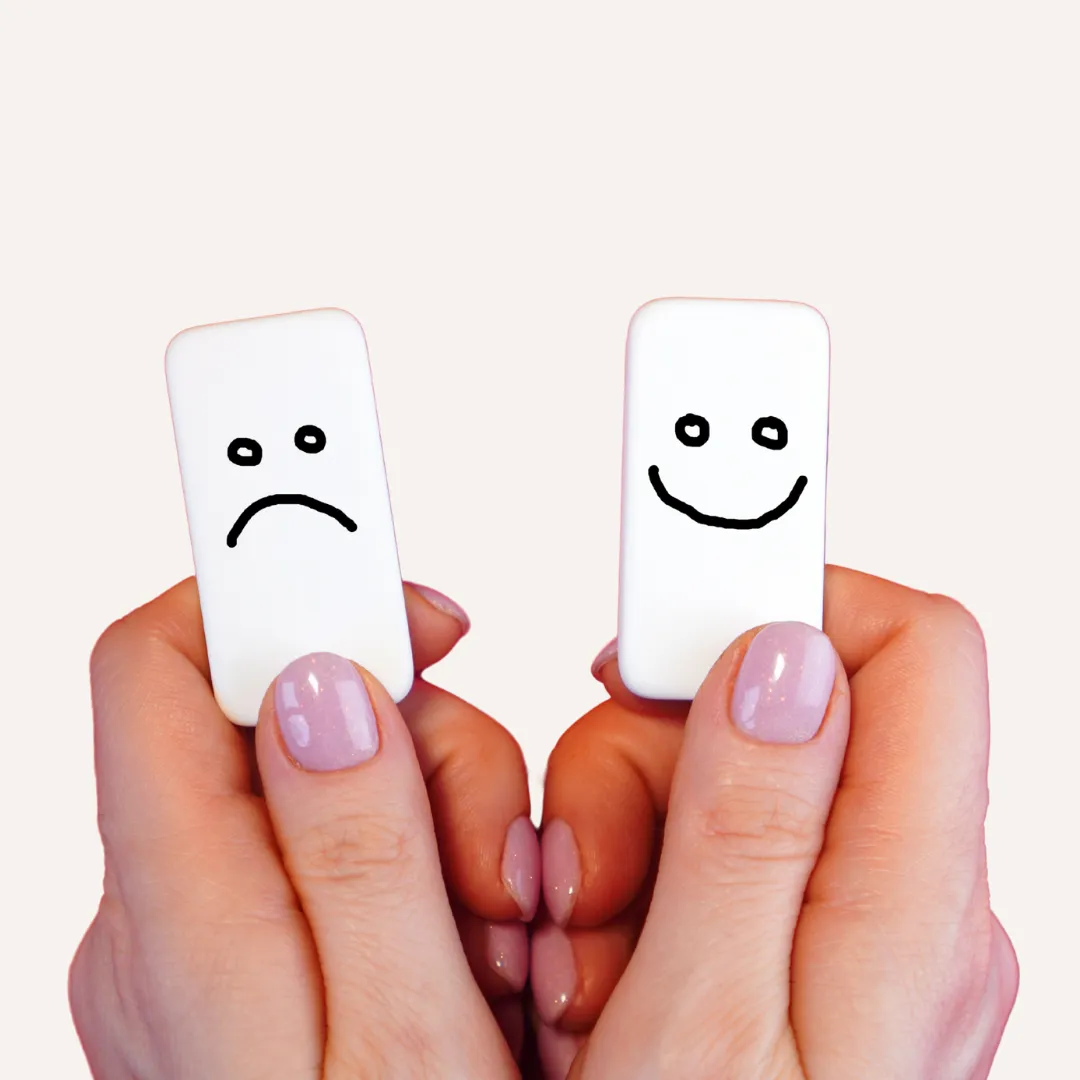
Food and Mood
As a society, we are seeing record investment in mental health and yet the rates of mental health crisis in our communities continue to escalate. It’s a complicated issue and is one that is linked to so many aspects of our modern world.
We are seeing more and more children and teenagers diagnosed with anxiety, depression and feelings of helplessness. And if we want a society where our children can thrive, we need to underdress some of the underlying issues causing these mental health experiences.For many people, antidepressant medications either don’t work or they create a dull, lifeless existence. As scientists continue to understand the workings of the body and the link between the gut and the brain, we are edging closer to helping more people to live lives without mental health disorders.
Diet is a big factor in the occurrence of anxiety and depression, with a diet high in processed foods linked to higher rates of these conditions.
Studies consistently show that diet is a big factor in the occurrence of anxiety and depression, with a diet high in processed foods linked to higher rates of these conditions. Our diet has changed dramatically over the last three decades. Processed foods have become affordable, and relied upon as a source of daily energy, especially for children. Processed foods such as chips, chocolates, biscuits and soft drinks are often consumed daily by school aged children and yet these are not foods that support healthy mental health.
But how does food actually affect mood?
Different bacteria grow on different types of food. The more we eat a certain type of food, the more that particular organism grows. Processed foods change the bacteria that resides in our gut (our microbiome) - billions of organisms that process everything that enters our body. We want a colony of bacteria that is diverse, balanced and weighted more heavily on the variety of bacteria species that thrive on whole foods. When we consume chemicals disguised as food, our gut microbiome becomes filled with bacteria that thrive on processed foods. The gut and brain communicate through the gut-brain axis, with messages sent from the gut to the brain.
Half of all mental health disorders occur before the age of 14 years. By changing the habits of families and young people, we can prevent many people from experiencing mental health challenges throughout their lives.
Some foods such as emulsifiers strip the mucosal lining of the gut which protects the cells from breaking apart and letting proteins into the bloodstream. When the gut wall opens we have leaky gut and toxins exit the gut and travel to the brain. The shift from diets high in whole foods to diets high in processed foods, has seen a rapid increase in media marketing of processed foods. These foods are not only socially acceptable but are now considered a normal part of daily life. These foods are highly palatable due to the chemicals used to create false information between the taste receptors on the tongue and the messages received by our brain. Yet these foods are terrible for our gut and brain health!
We also see low mood when poor diversity and quantities of protein are consumed as amino acids impact on our mood too. Focusing on what we eat should be the cornerstone of any plan to improve mental health. But it’s not a solution that many people want to hear. Half of all mental health disorders manifest before the age of 14 years. By changing the habits of families and young people, we can prevent many people from experiencing mental health challenges throughout their lives. We need to create environments where a healthy choice is an easy choice for teenagers. Where whole foods are just ‘food’ and where chemicals labelled as food is not offered. School canteens could certainly make life easier for parents by removing processed foods. We cannot expect our young people to thrive when during the school day they have access to processed foods. As busy families, we can include more whole foods at the dinner table as often as we can. And we can teach ourselves, our children and teenagers to listen to our bodies and see how we feel when we eat certain foods.
The desire to make better choices comes from within when we want to feel better,
If anything in this article has caused you distress or triggered you, please reach out to a mental health service such as Lifeline 13 11 14.