
Supporting women through the physical and emotional experience of perimenopause.
“You are not broken. You are mighty beyond measure. Let’s get your hormones back on your side, so you can emerge from this transition as your most magnificent self!”.
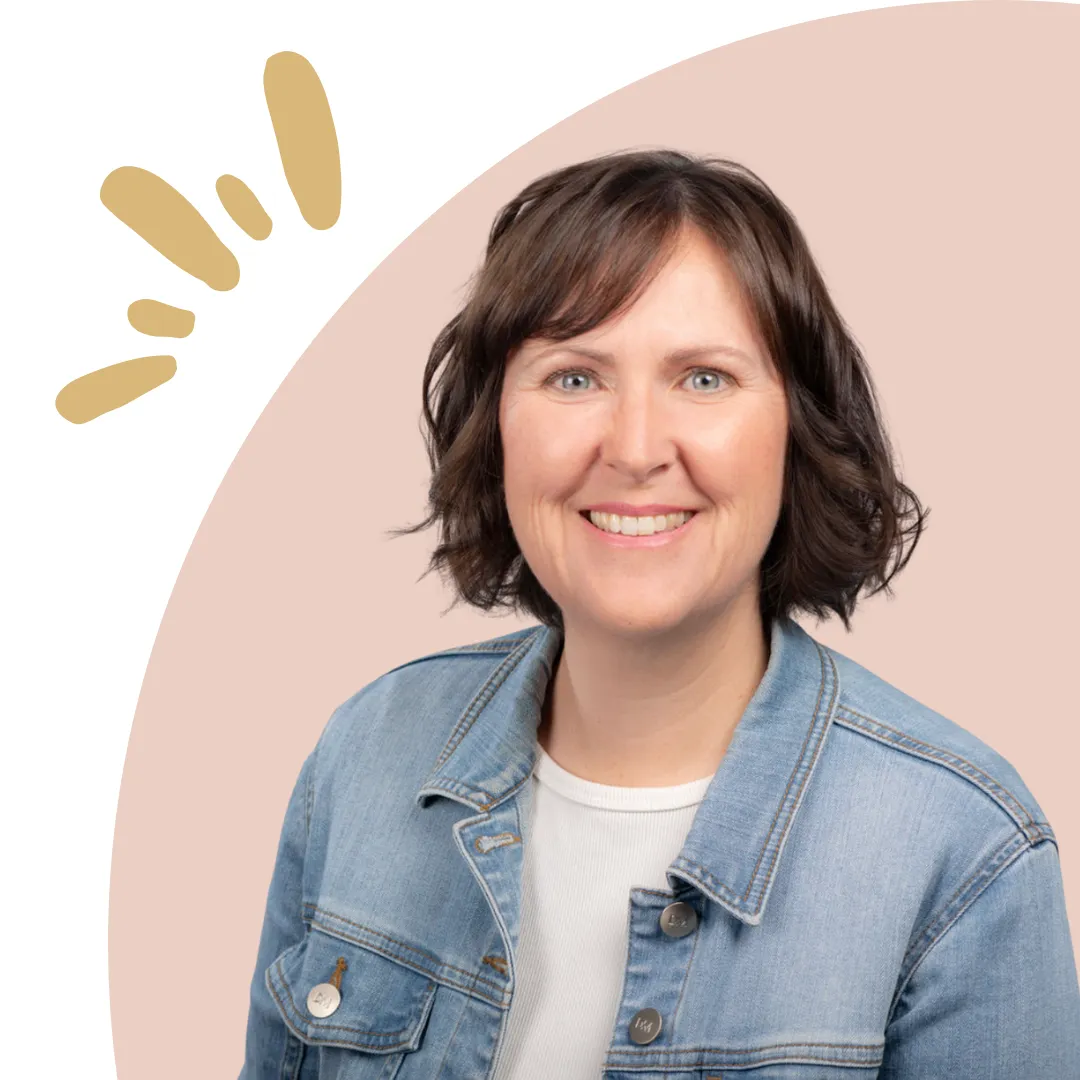
Hi, I'm Louise
I’m a women’s health coach dedicated to helping midlife women feel energised, balanced, and confident again. After experiencing my own struggles with perimenopause, I realised how many women were being told to just “push through” their exhaustion and mood swings. That’s when I decided to create a more compassionate, science-backed approach to support women through this transition.
Through my signature programme, The Peri Protocol, and my workshops, I help women understand what’s really happening in their bodies, manage stress effectively, and make simple lifestyle shifts that restore energy and calm. My mission is to help you feel like yourself again — vibrant, clear, and in control.
YOU DESERVE TO THRIVE DARLING
FREE
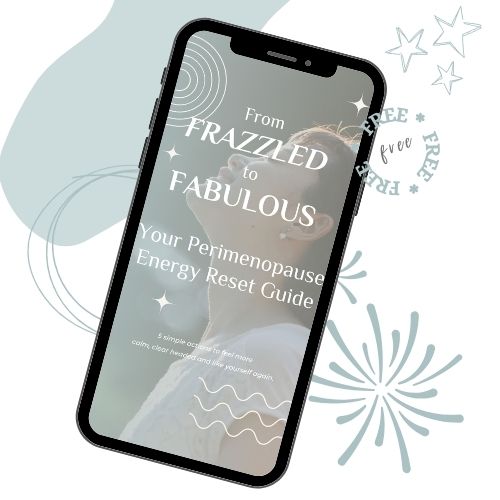
From Frazzled to Fabulous
Your perimenopause energy reset guide. In this guide you'll find 5 daily habits to unlock abundant energy. Nutrition, movement, stress reduction and sleep are all important pieces of the energy puzzle. Ditch the brain fog, energy crashes, mood swings, anxiety, insomnia and much more. It's time to feel fabulous!
ARE YOU READY FOR MORE?
Read the blog
Your weekly dose of information, inspiration and practical know-how to transform your life. Nothing is off limits here - nutrition, movement, stress, sleep, intimacy, connection, boundaries. We talk symptoms, science and how you can manage your perimenopause symptoms.
View my services
I am passionate about the role nutrition plays in our physical and mental health and wellbeing. Check out the ways we can work together to help you get back on track and live with more ease.
Connect with me on socials
Where do you like to hang out online? Come and follow me on your favourite platform for inspiration, information and entertainment.
NEW ON THE BLOG...
Ready to build the life of your dreams?
Let's chat
Ready to work with a coach to uplevel your life and business?
Listen to the
Podcast
view my
services
read the
BLOG
Let's chat
Ready to work with a coach to uplevel your life and business?
Let's learn
Learn at your own pace and make quantum leaps.
Student Love Notes
We've helped so many incredible students to find success as Virtual Assistants...

The VA Business Blueprint helped me to go from feeling completely stuck to starting my business and getting my first client!
Ellen, business name
I enrolled in the VA Services Academy feeling completely lost - within 2 weeks I knew exactly what to offer & what to charge.
Ellen, business name

Beginner to Booked Out was a game-changer for me. Anna and her team are incredible and I'm booked out for the next 3 months!
Ellen, business name
Thinking About Not Taking HRT? Read This.
The 10 most common perimenopause symptoms (and what actually helps)

7 Signs You Might Be Ready To Consider HRT During Perimenopause
New on the blog...
Why You Don't Feel Like Yourself During Perimenopause: The Mental Load of Midlife Women
Why You Don't Feel Like Yourself During Perimenopause: The Mental Load of Midlife Women
Feeling unlike yourself during perimenopause can be influenced by hormonal changes, disrupted sleep, stress and the many life changes that often happen during midlife. It doesn't mean you've lost yourself — you may be moving through a significant period of physical and personal transition.
There comes a point in many women's lives when you look around and realise that you're carrying an extraordinary amount.
Your career.
Your children.
Your relationship.
Your home.
Your ageing parents.
Everyone else's appointments.
Everyone else's needs.
And somehow, you're still expected to remember where the school uniform is, what time Mum's doctor's appointment is, whether there's enough food in the fridge and what you're going to do about the presentation at work tomorrow.
You might be the person everyone turns to.
The organiser.
The problem solver.
The one who keeps everything moving.
And then, somewhere in the middle of all of this, you start wondering:
Where am I in all of this?
Maybe you're more irritable than you used to be.
Maybe you're exhausted.
Maybe you don't feel as confident as you once did.
Maybe you're questioning your relationship, your career or the way you've been living your life.
Or perhaps you simply have this strange feeling that you don't quite recognise yourself anymore.
If that sounds familiar, you're not imagining it.
And you certainly aren't failing.
Midlife isn't just a physical transition
We often talk about perimenopause as though it's simply a collection of physical symptoms.
Hot flushes.
Night sweats.
Changes to your menstrual cycle.
Sleep problems.
Weight changes.
But perimenopause happens while you're living the rest of your life.
And that matters.
You might be navigating hormonal changes at exactly the same time as your children are becoming more independent, your parents are getting older, your career is changing and your relationships are evolving.
You may be asking questions you've never had the space to ask before.
Is this still the life I want?
Who am I now that my children need me differently?
Do I still want this career?
What happened to the woman I used to be?
What do I actually want for the next chapter of my life?
These aren't necessarily signs that something has gone wrong.
Sometimes they're signs that something is changing.
Why don't I feel like myself during perimenopause?
There isn't one simple answer.
Hormonal fluctuations during perimenopause can be associated with changes in mood, sleep, cognition and emotional wellbeing. But hormones aren't the whole story.
Midlife itself can be demanding.
And when you combine a demanding stage of life with changes in sleep, energy, mood and physical wellbeing, your capacity to cope with everything else can feel very different.
Think about it like this.
You've been carrying a heavy backpack for years.
Your work is in there.
Your family is in there.
Your responsibilities are in there.
Your relationships are in there.
Your expectations of yourself are in there.
And then perimenopause comes along and adds a few more things to the backpack.
Suddenly, the weight you've been carrying for years feels much heavier.
It doesn't necessarily mean the backpack has changed completely.
Your capacity to carry it may have changed.
And that is worth paying attention to.
The mental load of midlife women is real
Mental load isn't simply having a lot to do.
It's the invisible work of remembering, anticipating, organising, planning and managing.
It's knowing that the dentist appointment needs to be booked.
Remembering that your daughter has an assessment next week.
Thinking about what Mum needs.
Planning dinner.
Keeping track of everyone's schedules.
Thinking about the mortgage.
Remembering the birthday present.
Planning the next holiday.
And then turning up at work and being expected to perform at your best.
Much of this work happens quietly.
Nobody sees it.
And because you have been doing it for so long, you may not even realise how much you're carrying.
Until one day you think:
“I can't do all of this anymore.”
That doesn't necessarily mean you're weak.
It may mean you're reaching the point where something needs to change.
Can perimenopause affect your sense of identity?
Perimenopause doesn't have a single, predictable effect on identity.
But the physical and emotional changes that can occur during the menopause transition may happen at the same time as women are reassessing their roles, relationships, bodies, careers and priorities.
And that combination can be significant.
For much of adulthood, your identity may have been closely connected to what you do.
Mother.
Partner.
Professional.
Carer.
Business owner.
Friend.
Daughter.
But these roles aren't fixed.
Your children change.
Your career changes.
Your relationships change.
Your parents age.
Your body changes.
And eventually, the identity you've built around those roles may need to evolve too.
That doesn't mean you need to throw your old identity away.
You don't have to become an entirely different person.
Instead, midlife can give you an opportunity to ask:
Which parts of me do I want to keep?
Which parts have I outgrown?
What have I been putting off?
What do I want more of?
What do I want less of?
That's not a crisis.
That's reflection.
And reflection can be the beginning of change.
“I don't feel like myself anymore”
This is one of the most important conversations we can have about midlife.
Because sometimes the biggest change isn't a particular symptom.
It's the feeling that you have somehow become disconnected from yourself.
You might look in the mirror and feel unfamiliar in your body.
You might have less confidence.
You might stop doing things you used to enjoy.
You might feel less spontaneous.
You might have spent so many years being a mother, partner, daughter, employee, business owner or caregiver that you've forgotten what exists underneath all those roles.
And sometimes there is grief involved.
Not necessarily because you don't love your life.
But because life is changing.
The grief of children growing up
There can be a very particular kind of grief when your children become more independent.
You can be incredibly proud of them.
You can desperately want them to grow and thrive.
And still feel sad that a version of your life is disappearing.
The school lunches.
The bedtime routines.
The constant noise.
The feeling of being needed every minute of every day.
Then suddenly there is more space.
And space can be wonderful.
But space can also be confronting.
Because when the noise gets quieter, you may start hearing your own thoughts again.
What do I want?
What matters to me now?
Who am I when I'm not needed in quite the same way?
These questions can feel uncomfortable.
But they can also be incredibly powerful.
Changing roles can change the way you see yourself
For much of adulthood, identity can be closely connected to what we do.
Mother.
Partner.
Professional.
Carer.
Business owner.
Friend.
Daughter.
But these roles aren't fixed.
Your children change.
Your career changes.
Your relationships change.
Your parents age.
Your body changes.
And eventually, the identity you've built around those roles may need to evolve too.
Perhaps you've spent years being the person who looks after everyone else.
Perhaps you've built your entire working identity around a career that no longer feels quite right.
Perhaps you've been so busy meeting expectations that you haven't stopped to ask whether those expectations are still yours.
This is where midlife can become an opportunity.
Not to become someone else.
But to become more yourself.
You don't have to earn the right to take up space
This is something I really want women to hear.
You don't need to wait until everyone else is okay before you look after yourself.
You don't need to finish every task.
You don't need to be endlessly available.
You don't need to justify wanting time for yourself.
And you don't need to become exhausted before you're allowed to rest.
For many women, looking after themselves has always been something they squeeze in after everything else is done.
But here's the problem:
Everything else is never done.
There will always be another load of washing.
Another email.
Another appointment.
Another person who needs something.
If your wellbeing is always the thing that gets pushed to the bottom of the list, eventually there is no room left for you.
Reclaiming yourself doesn't mean becoming selfish
This is where I think the idea of “self-care” can sometimes miss the point.
I'm not talking about bubble baths and expensive candles.
I'm talking about reconnecting with yourself.
Your body.
Your needs.
Your values.
Your interests.
Your relationships.
Your ambitions.
Your energy.
Your joy.
Maybe that means starting strength training.
Maybe it's making time for friends again.
Maybe it's finally booking the trip.
Maybe it's changing the way you work.
Maybe it's setting a boundary that you've been avoiding.
Maybe it's rediscovering something you loved before everyone else's needs became your priority.
Maybe it's simply sitting quietly long enough to work out what you actually want.
There is no one right way to reclaim yourself.
Start with your body
One of the simplest ways to reconnect with yourself is to start paying attention to your body again.
Not because your body needs fixing.
But because your body is giving you information.
Are you exhausted?
Are you sleeping?
Are you hungry?
Are you moving?
Are you strong?
Are you tense?
Are you constantly running on adrenaline?
Have you stopped doing things because you don't feel comfortable in your body anymore?
These questions matter.
And this is where the physical and emotional sides of perimenopause overlap.
Nutrition, movement, sleep and stress aren't separate from your emotional wellbeing.
They are part of the foundation that supports it.
If you're exhausted because you're waking at 3am every night, for example, it's hardly surprising that your patience, motivation and emotional resilience might feel different the next day.
Read next: Why You're Waking Up at 3am in Perimenopause
And if you're feeling physically weaker or disconnected from your body, strength training can be about far more than fitness.
It can help you build physical capability and confidence in what your body can do.
Read next: The Role of Muscle and Strength Training in Perimenopause
Your nutrition matters here too.
Regular, nourishing meals can support your energy and help you feel more stable throughout the day, without turning food into another thing you have to control.
Read next: What to Eat During Perimenopause
Why does midlife feel so overwhelming?
Sometimes the answer is simply that you're carrying too much.
And sometimes perimenopause adds another layer.
Sleep disruption can make everything feel harder.
Changes in mood can affect your resilience.
Physical symptoms can drain your energy.
Stress can affect sleep, appetite and how well you cope with everyday demands.
And if you've been functioning at full capacity for years, even a small reduction in your available energy can feel enormous.
This is why I don't want women to look at their symptoms in isolation.
If you're exhausted, let's look at sleep.
If you're overwhelmed, let's look at stress.
If you don't feel strong in your body, let's look at movement.
If your energy is unpredictable, let's look at nutrition.
And if you feel like you've lost yourself, let's look at the whole woman, not just the hormone chart.
You don't have to figure out your next chapter all at once
This is probably the biggest mistake I see women make when they reach this point.
They think they need to work everything out.
The career.
The relationship.
The children.
Their health.
Their body.
Their purpose.
Their future.
All at once.
You don't.
You don't need to have a five-year plan for your identity.
You can start with a much smaller question:
What do I need more of right now?
More rest?
More connection?
More movement?
More fun?
More time alone?
More challenge?
More creativity?
More support?
More adventure?
Or perhaps the answer is simply:
Less.
Less pressure.
Less responsibility.
Less people-pleasing.
Less pretending you're fine when you're not.
That answer is useful too.
This isn't the end of your story
There is a tendency to talk about midlife as though women are losing something.
Losing youth.
Losing fertility.
Losing their figure.
Losing relevance.
Losing confidence.
Losing themselves.
And yes, there can absolutely be grief in this stage of life.
But I don't think that's the whole story.
There can also be freedom.
You may know yourself better than you did at 25.
You may care less about what other people think.
You may be more willing to say no.
You may have a clearer understanding of what matters.
You may finally have the experience to recognise what isn't working.
And you may have more freedom to decide what happens next.
Your next chapter doesn't have to look like your last one.
So, who are you becoming?
Maybe the question isn't:
“How do I get back to the woman I used to be?”
Maybe it's:
“Who am I becoming?”
That's a very different question.
It doesn't ask you to reverse ageing.
It doesn't ask you to get your old body back.
It doesn't ask you to return to a previous version of yourself.
It gives you permission to move forward.
To keep the parts of yourself you love.
To let go of the parts that no longer fit.
To reconnect with your body.
To redefine your priorities.
To create space for the things that matter.
And to build a life that feels like yours again.
Because perimenopause may be a biological transition.
But midlife can also be a deeply personal transition.
And you don't have to navigate that transition alone.
Where do you start?
You don't need to transform your entire life tomorrow.
Start by noticing.
What is feeling hardest right now?
Is it your energy?
Your sleep?
Your nutrition?
Your movement?
Your stress?
Or that deeper feeling that you've somehow lost touch with yourself?
That's why I created the Perimenopause Snapshot Quiz.
It's a simple way to step back and look at the bigger picture rather than trying to fix one symptom at a time.
Take the free Perimenopause Snapshot Quiz
Find out where your body and wellbeing may need the most support right now — and choose one place to start.
Frequently Asked Questions
Why don't I feel like myself during perimenopause?
Feeling unlike yourself during perimenopause can have many contributing factors. Hormonal fluctuations may coincide with changes in mood, sleep, cognition and physical wellbeing, while midlife can also bring significant changes to family, work, relationships and identity. You haven't necessarily lost yourself — you may be moving through a significant period of transition.
Can perimenopause affect your mood?
Yes. Changes in reproductive hormones during the menopause transition can be associated with mood changes and an increased vulnerability to anxiety and depression in some women. Sleep disruption, stress, life circumstances and previous mental health history can also play an important role, so significant or persistent symptoms shouldn't automatically be dismissed as “just hormones”.
Can perimenopause cause anxiety and overwhelm?
Perimenopause can coincide with increased anxiety or emotional distress for some women. However, overwhelm is rarely caused by one thing. Hormonal changes, poor sleep, physical symptoms, work and family responsibilities, relationship pressures and chronic stress can all contribute.
Can perimenopause affect your confidence?
It can indirectly. Changes in sleep, mood, energy, body composition and physical symptoms may affect how you feel about yourself. At the same time, the broader life changes of midlife can cause women to question roles and identities that previously gave them confidence.
Can perimenopause affect your identity?
Perimenopause does not automatically cause an identity crisis, but it can occur during a period when many women are reassessing their roles, relationships, careers, bodies and priorities. That combination can prompt important questions about who you are and what you want from the next stage of your life.
Why does midlife feel so overwhelming?
Midlife can involve multiple simultaneous responsibilities, including careers, children, relationships and ageing parents. Perimenopause may add changes in sleep, energy, mood and physical wellbeing, which can make an already demanding period of life feel even harder to manage.
How do I feel like myself again during perimenopause?
Start by reconnecting with the basics: sleep, nourishing food, movement, stress management, relationships and time for yourself. Then ask what you genuinely want more or less of in your life. You don't necessarily need to return to an earlier version of yourself — you may be ready to create a new one.
Is midlife a crisis or a transition?
It can be a transition. Midlife often involves reassessing priorities, relationships, work, identity and future goals. While this can feel unsettling, questioning your life isn't necessarily a sign that something is wrong. It can also create an opportunity to make intentional changes.
When should I seek professional help for changes in mood?
If you're experiencing persistent sadness, anxiety, loss of interest, significant changes in functioning or symptoms that are interfering with everyday life, speak with your GP or another qualified health professional. You don't need to simply accept significant emotional distress as “just perimenopause”.
About Louise
Louise is a nutritionist specialising in women’s nutrition and lifestyle during perimenopause and midlife. Through The Peri Protocol, she helps women understand the changes happening in their bodies and build practical nutrition and lifestyle strategies to feel more energised, rested and confident through this stage of life.
Last updated: August 2026