Empowering women to thrive during perimenopause.
“You are not broken. You are mighty beyond measure. Let’s get your hormones back on your side, so you can emerge from this transition as your most magnificent self!”.
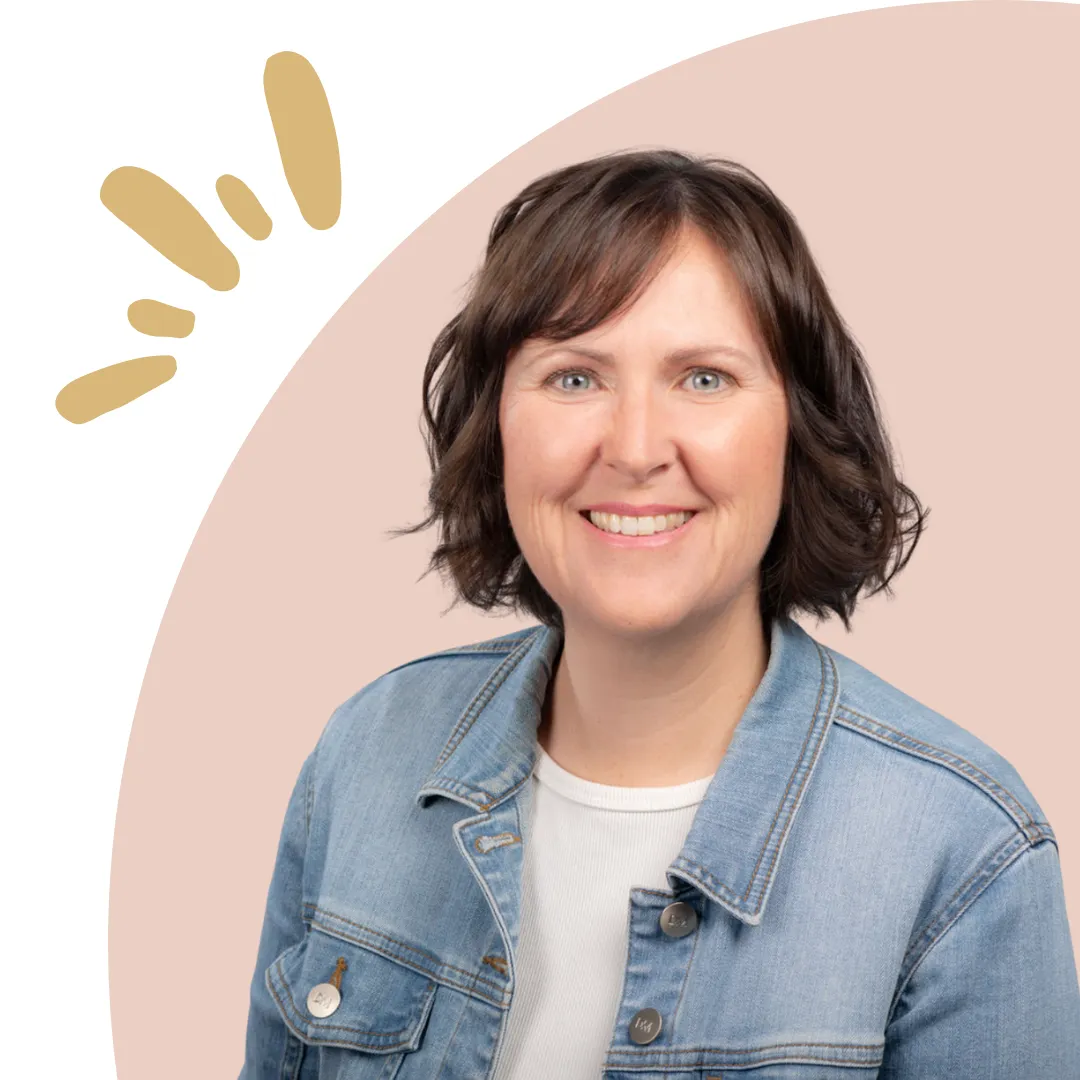
Hi, I'm Louise. I'm a health, wellness & lifestyle coach.
I know what it's like to quietly fall apart inside while trying to hold it together. I see you, wanting to feel like yourself again but worrying this is it now. That was me.
I reached burnout before I started listening to my body. I turned my exhaustion around with targeted nutrition, movement, sleep, and stress management. It changed everything and I'm here to help you step into your most powerful and authentic self.
YOU DESERVE TO THRIVE DARLING
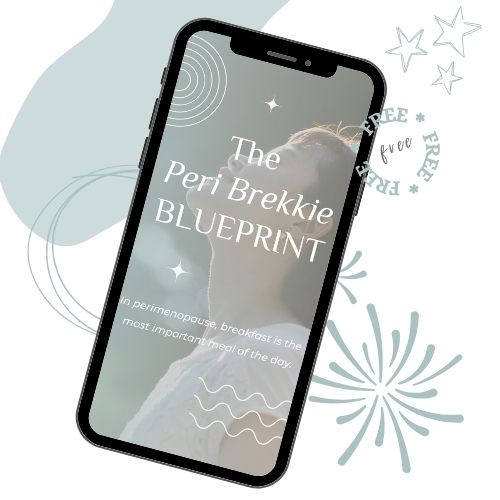
Grab Your FREE copy
The Peri Brekkie Blueprint.
In perimenopause, breakfast is the most important meal of the day:
a simple, nutritious breakfast that contains protein, fibre, and omega 3 fatty acids for a nutritious start
4 recipe variations so you never get bored
the fuel you need to keep brain fog away
help reduce inflammation with omega 3 fatty acids
reduce stress and start the day with peace and ease
Thrive darling.
Read the blog
Your weekly dose of information, inspiration and practical know-how to transform your life. Nothing is off limits here - nutrition, movement, stress, sleep, intimacy, connection, boundaries. We talk symptoms, science and how you can manage your perimenopause symptoms.
View my services
I am passionate about the role nutrition plays in our physical and mental health and wellbeing. Check out the ways we can work together to help you get back on track and live with more ease.

Connect with me on socials
Where do you like to hang out online? Come and follow me on your favourite platform for inspiration, information and entertainment.
ARE YOU READY FOR MORE?
Ready to build the life of your dreams?
Let's chat
Ready to work with a coach to uplevel your life and business?
Listen to the
Podcast
view my
services
read the
BLOG
Let's chat
Ready to work with a coach to uplevel your life and business?

Let's learn
Learn at your own pace and make quantum leaps.
Student Love Notes
We've helped so many incredible students to find success as Virtual Assistants...

The VA Business Blueprint helped me to go from feeling completely stuck to starting my business and getting my first client!
Ellen, business name
I enrolled in the VA Services Academy feeling completely lost - within 2 weeks I knew exactly what to offer & what to charge.
Ellen, business name

Beginner to Booked Out was a game-changer for me. Anna and her team are incredible and I'm booked out for the next 3 months!
Ellen, business name
New on the blog...
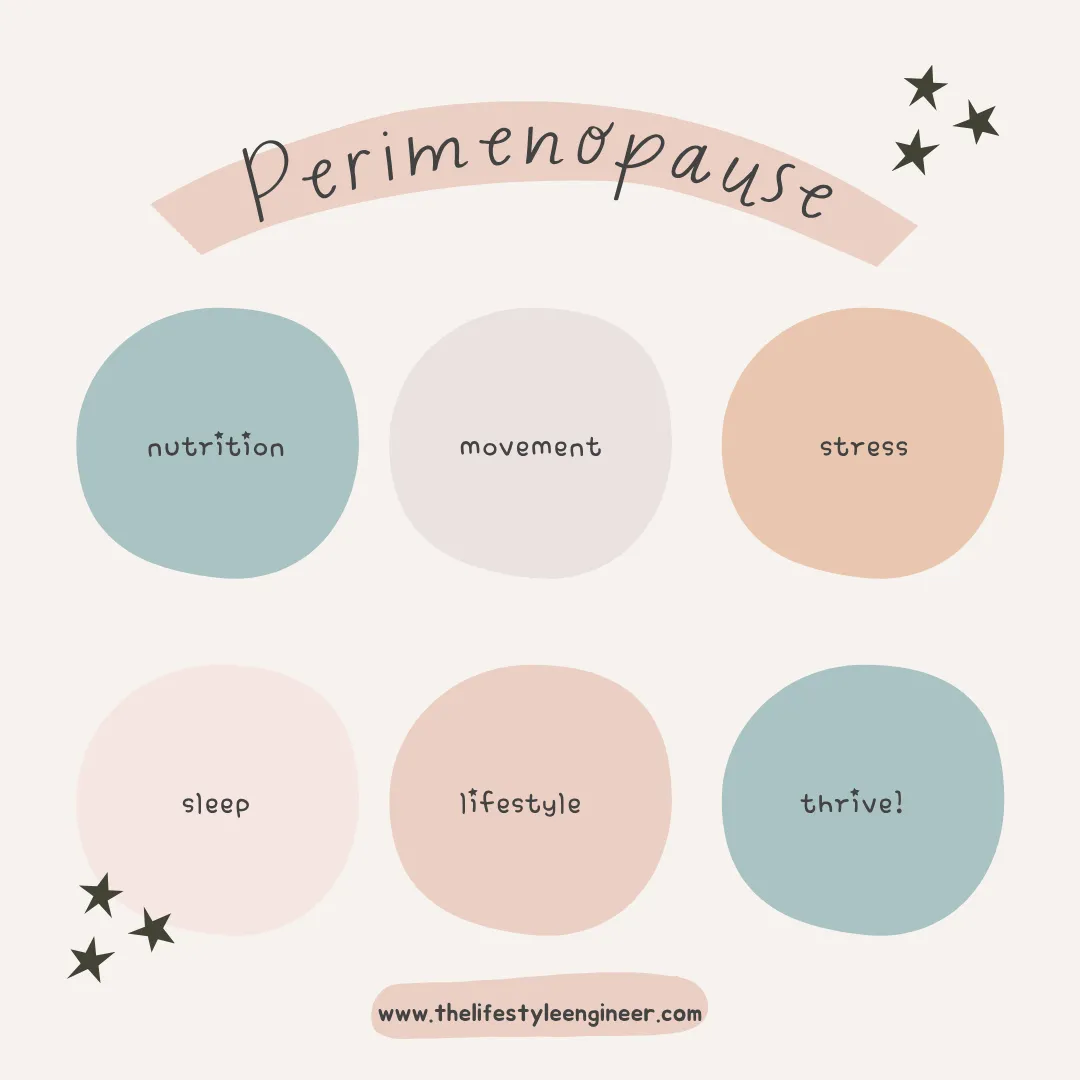
How to Thrive Through Perimenopause
72 hours to change your life
Reset Your Hormones (and Your Sanity) in 5 Easy Ways
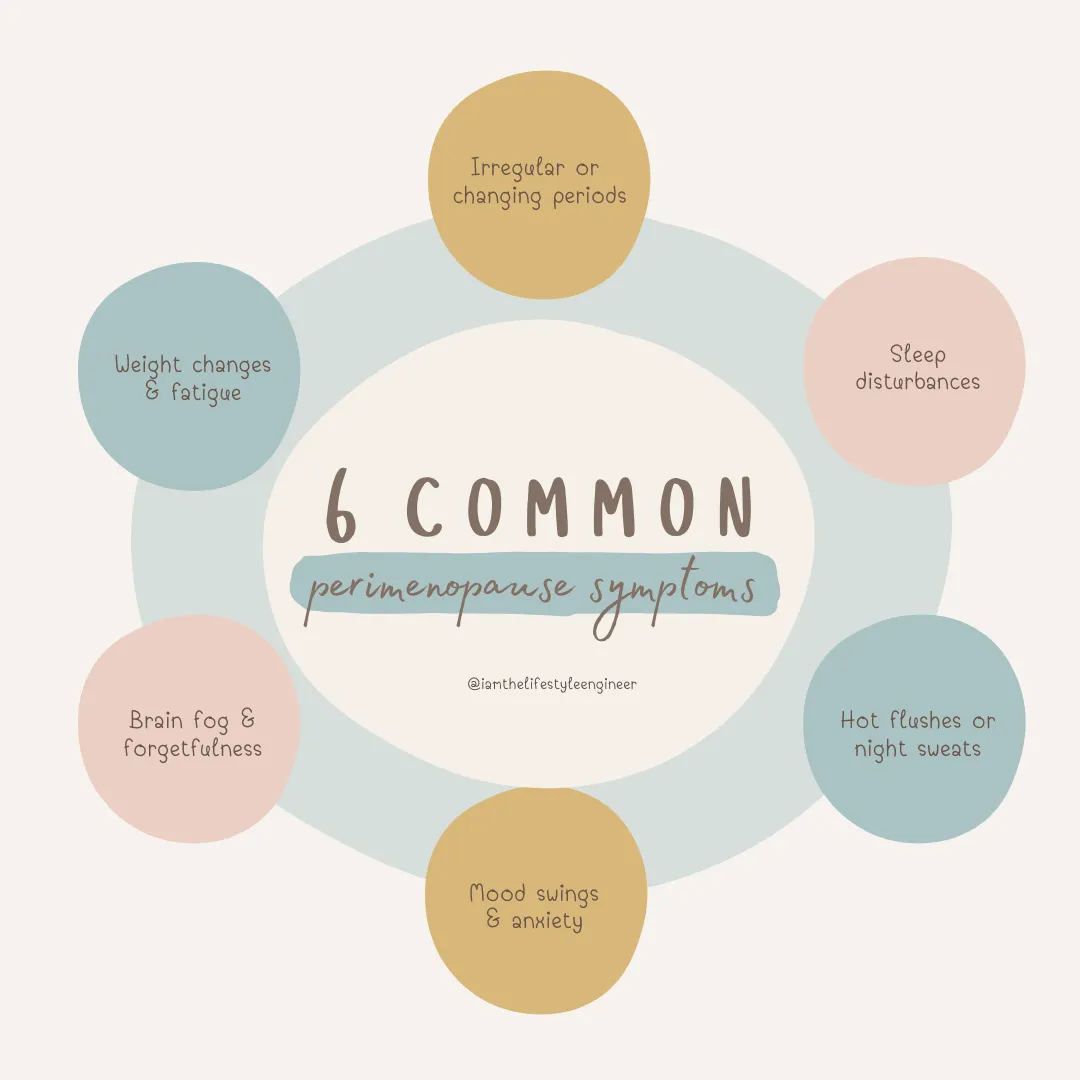
The Most Common Symptoms of Perimenopause
New on the blog...
How to Influence the onset of Menopause
Can you do anything to influence when you go through menopause?
The answer is both yes… and no.
The Role of Genetics
The biggest factor in when you’ll reach menopause is your DNA. If your mum, aunties, or older sisters experienced menopause early (say, mid-40s), you may be more likely to follow a similar timeline. If they kept cycling into their 50s, the same might be true for you.
Your family history can provide some helpful clues. But the science of nutrigenomics shows us how we can use nutrition and lifestyle to influence our genes.
What You Can Influence
Your hormones will naturally decline as you age. The way you live can make a real difference in the timing, speed and impact of that decline on your health. Think of it as giving your body the best possible conditions to do what it’s designed to do.
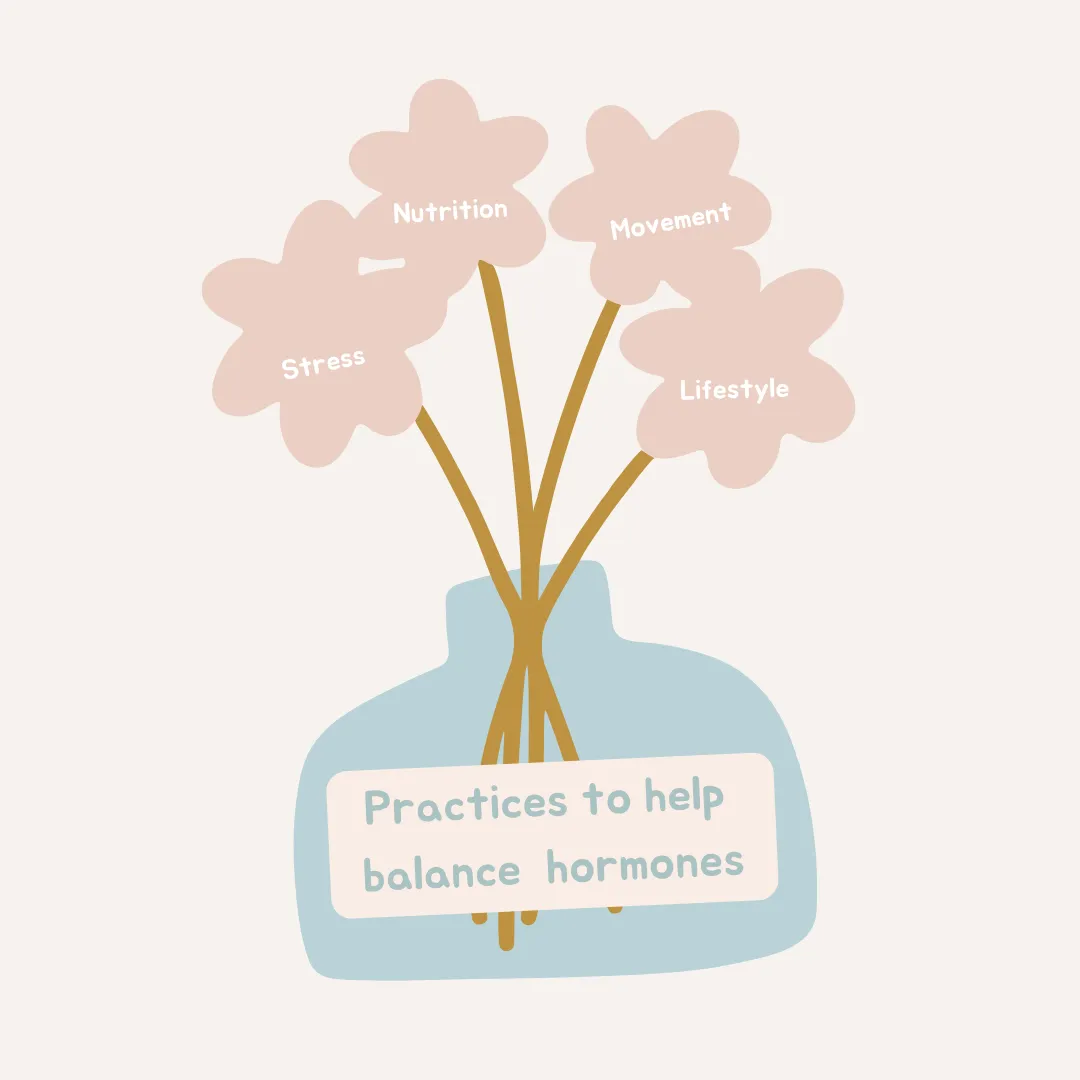
Here are a few areas where lifestyle really matters:
Stress: lifestyle stress raises your stress hormone, cortisol. This disrupts the balance of your sex hormones and sometimes speeds up cycle changes. Gentle practices like walking, journaling, taking a sauna, or even just taking five quiet minutes with a cup of tea can help keep stress hormones in check.
Nutrition: your body needs raw materials to make and metabolise hormones. That means protein, healthy fats, complex carbohydrates, and fibre all help support balance. Micronutrients, especially magnesium, iron, zinc, and B vitamins, also play a role.
Movement: regular exercise helps regulate blood sugar, support heart health, and maintain bone density. It doesn’t have to be boot camp hard. Good choices include strength training, yoga, walking, and swimming.
Lifestyle choices: smoking and heavy alcohol use are both linked to earlier menopause. Steering clear or limiting these helps support your body’s natural timeline.
The Takeaway
You can’t outsmart your biology—but you can work with it. Managing your hormones through everyday choices isn’t about delaying menopause forever, but about making sure that when the transition happens, your body has the feel supported, steady, and strong.
What’s one small change you could make this week that would help support your hormones?
If you are looking for support, download my free e-book 'Frazzled to Fabulous' for 5 simple actions to support healthy hormones.